
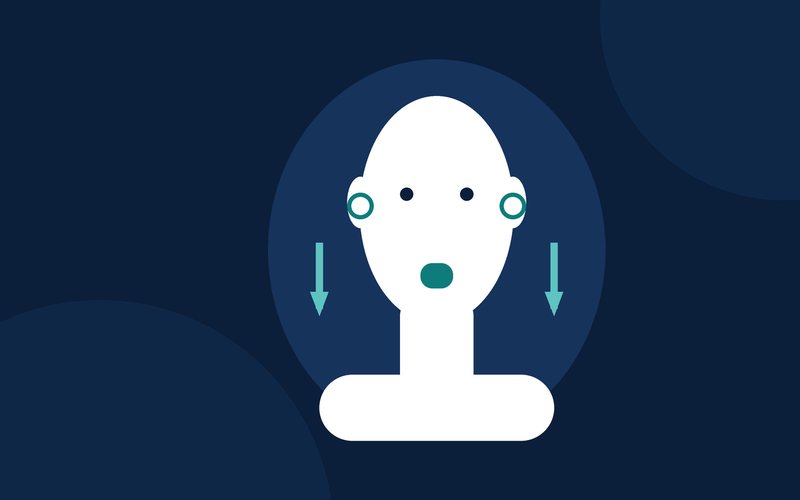
Resting jaw position
- Rest your tongue gently on the roof of your mouth behind your front teeth.
- Let your teeth stay slightly apart and your lips closed.
- Check in on this through the day.
Tip: 'Lips together, teeth apart' is the goal.
Home exercises · Physiotherapy

 Helena Greyvenstein, Physiotherapist · Dr. Alex Greyvenstein, DC
Jaw pain often comes with clenching, tension and neck posture. The TMJ exercises here are mostly about letting your jaw rest and opening it in a straight line.
Helena and Dr. Alex chose these for people they see at home in Oakville, Burlington and Milton. They're general guidance, not a substitute for an assessment.
Safety first
Use a mirror for the first few days, and stop short of pain or locking.
Move slowly and stay in a comfortable range. Mild stretching, tiredness or soreness that settles within a day is normal. Sharp pain, or symptoms that spread or get worse, mean stop.
The routine
Tip: 'Lips together, teeth apart' is the goal.
Tip: Stop before any click or pain.
Tip: Light pressure only.
Tip: Firm but comfortable.
Tip: Neck posture affects jaw tension.
Progress
Start with the easier exercises and fewer repetitions, then build up gradually over the coming weeks as they feel easier. Start with the resting position. You can practise it anywhere, even stuck on the QEW.
If an exercise flares things up, go back to the last version that felt fine, or skip it and ask about it at your visit.
Next step
If you're not improving after two to three weeks, or the pain keeps coming back, an assessment can look for the reason and adjust these exercises to suit you. Read more about our jaw pain and TMJ treatment, or see in-home physiotherapy in Oakville.
Common questions
Research suggests exercise and self-care can help many people with jaw pain, often alongside hands-on treatment and habits like reducing clenching.
Practise the resting jaw position, set reminders, and notice when you clench, often during stress, driving or screen time.
Both can help. A dentist looks at your teeth and bite and may suggest a night guard; a physiotherapist or chiropractor treats the jaw muscles, joint and neck.
Clicking without pain is common and often not a concern. Clicking with pain, locking or limited opening is worth getting checked.
Get started
We'll check your jaw, your neck and your daily habits, and keep the list short enough to fit into a busy day.