Causes
What causes shoulder pain?
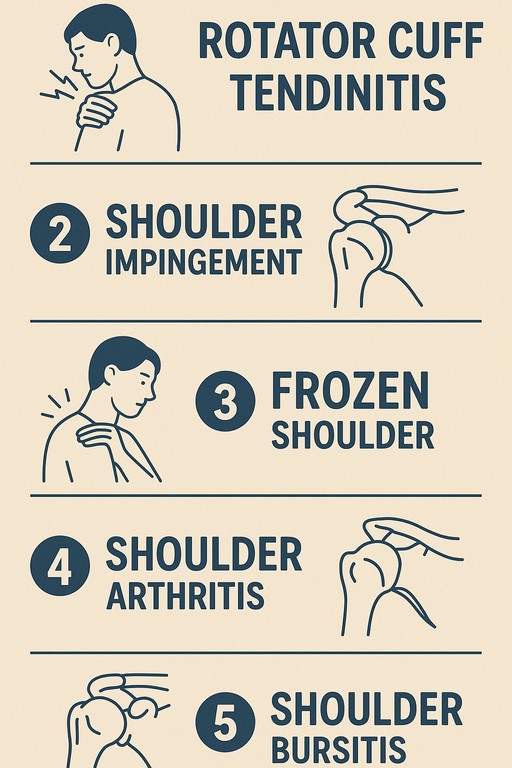
Some shoulder pain builds gradually from everyday use or training; some follows an injury. Common causes include:
The shoulder is a complex, highly mobile joint. It relies on the shoulder joint, rotator cuff, shoulder blade, upper back and surrounding muscles all working together, so the source of pain isn't always where you feel it. Restricted movement in the upper or mid-back, for example, can change how the shoulder blade and arm move, and for some people the neck plays a role too. That's why a proper assessment comes before treatment.
Symptoms
Common symptoms of shoulder pain
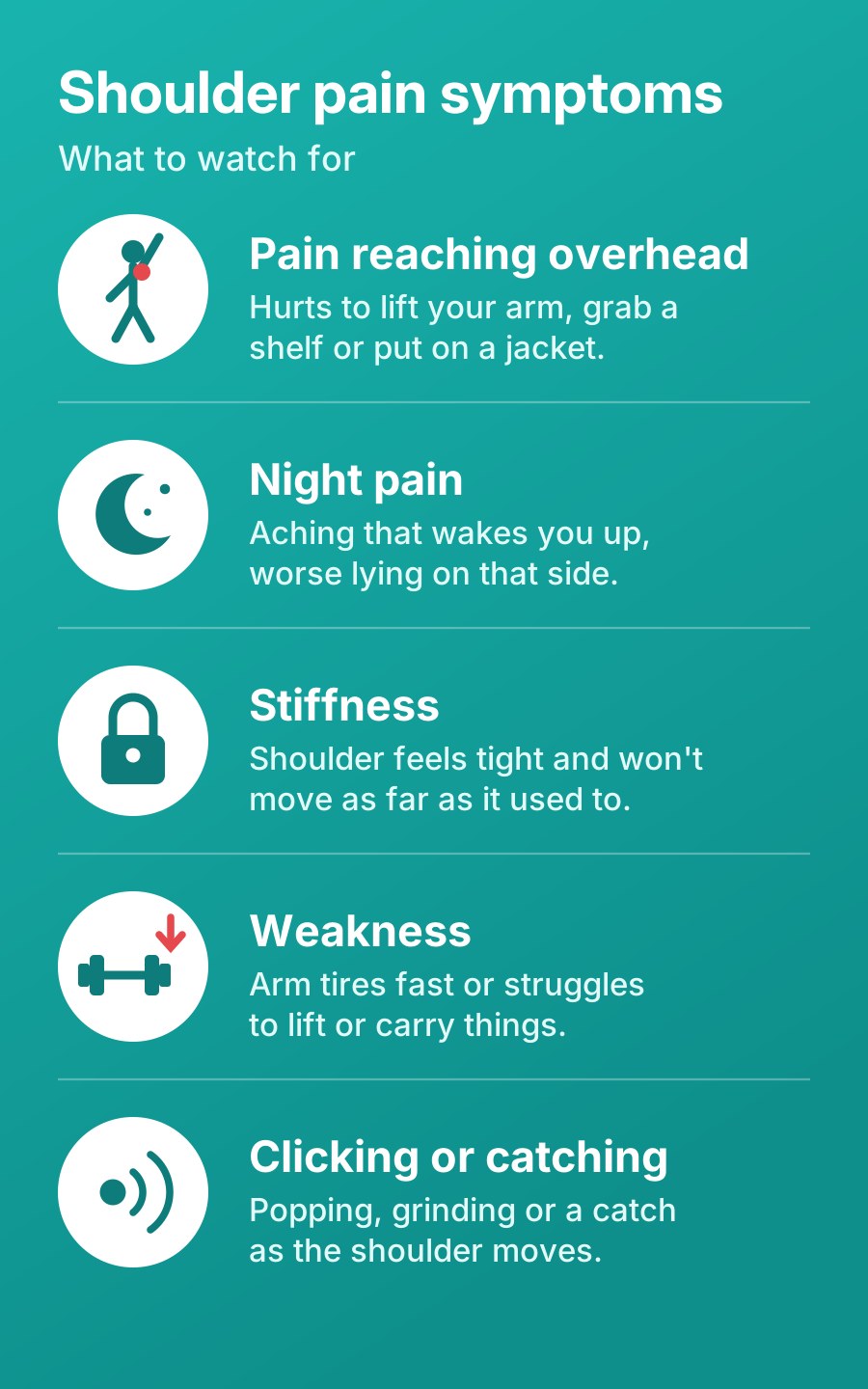
Shoulder pain shows up in different ways. You may experience:
How your symptoms present helps identify which structures and movements need to be assessed.
Treatment
How Dr. Alex treats shoulder pain at home
There's no one-size-fits-all treatment for shoulder pain. Dr. Alex assesses your shoulder, upper back and overall movement before choosing techniques. The goal isn't just short-term relief, but better movement, less irritation, and getting you back to the activities you enjoy.
Joint
Mid-Back Adjustments for Shoulder Pain
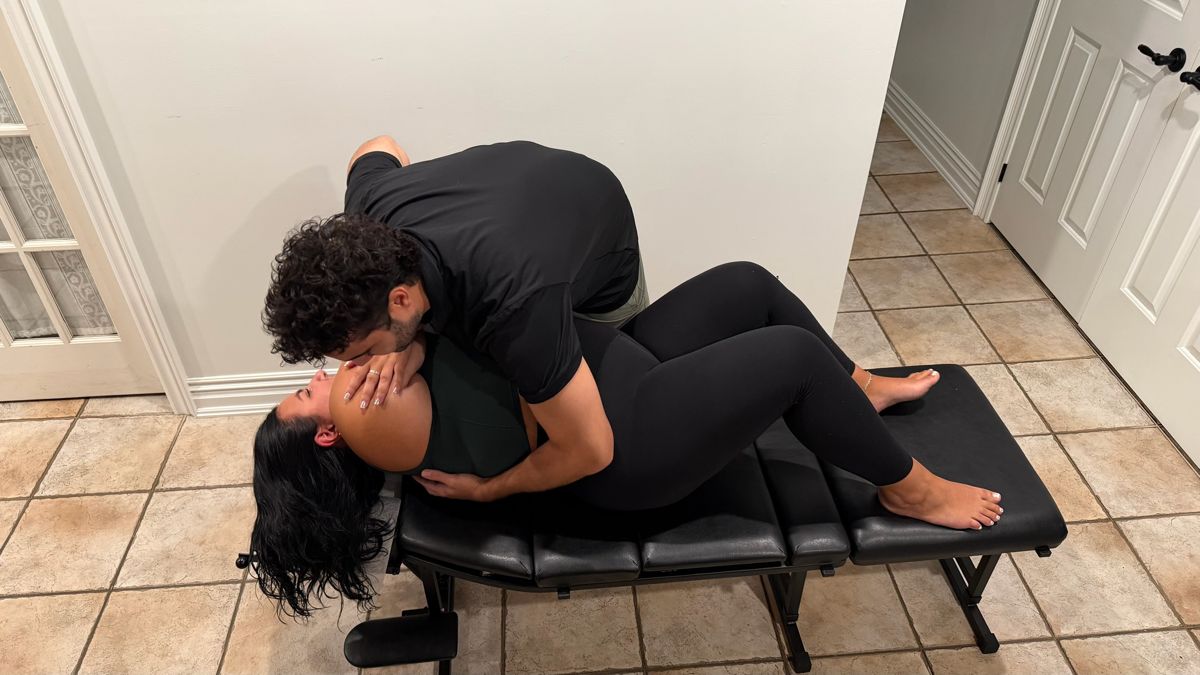
The shoulder doesn't work in isolation. Your shoulder blade glides over your rib cage, so movement in your upper and mid-back (the thoracic spine) affects how your shoulder and arm work. When that area is restricted, a mid-back adjustment may be part of your treatment.
Research shows thoracic manual therapy can help reduce pain and disability in some cases of shoulder pain, as one part of a broader plan rather than a stand-alone fix. It isn't about claiming your shoulder pain "comes from your spine", but about improving mobility where your assessment shows it will help.
Joint
Shoulder Mobilization for Shoulder Pain
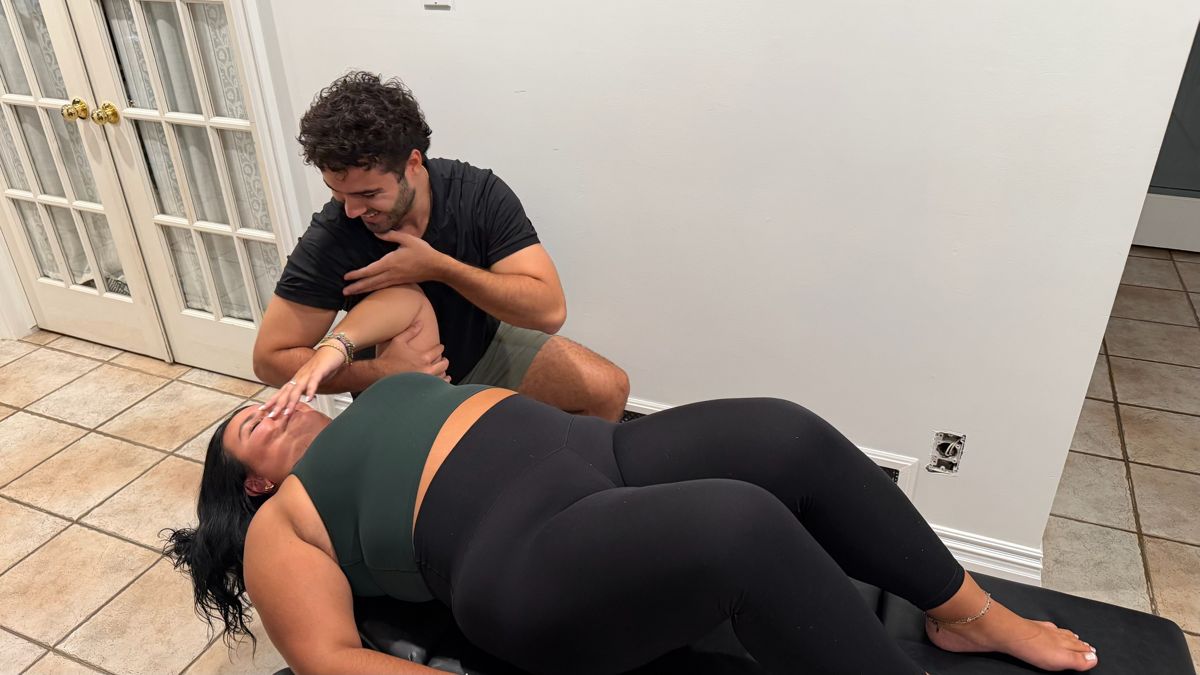
Sometimes the shoulder itself needs attention. Mobilization applies controlled movement to the shoulder joint to improve mobility and comfort. Depending on your presentation, it may help with:
- Shoulder stiffness
- Restricted range of motion
- Difficulty reaching overhead
- Difficulty reaching behind your back
- Reduced movement after an injury
- General joint restrictions
The type and direction of mobilization depend on your assessment, and it's often combined with an active rehab program for longer-term improvement.
Muscle
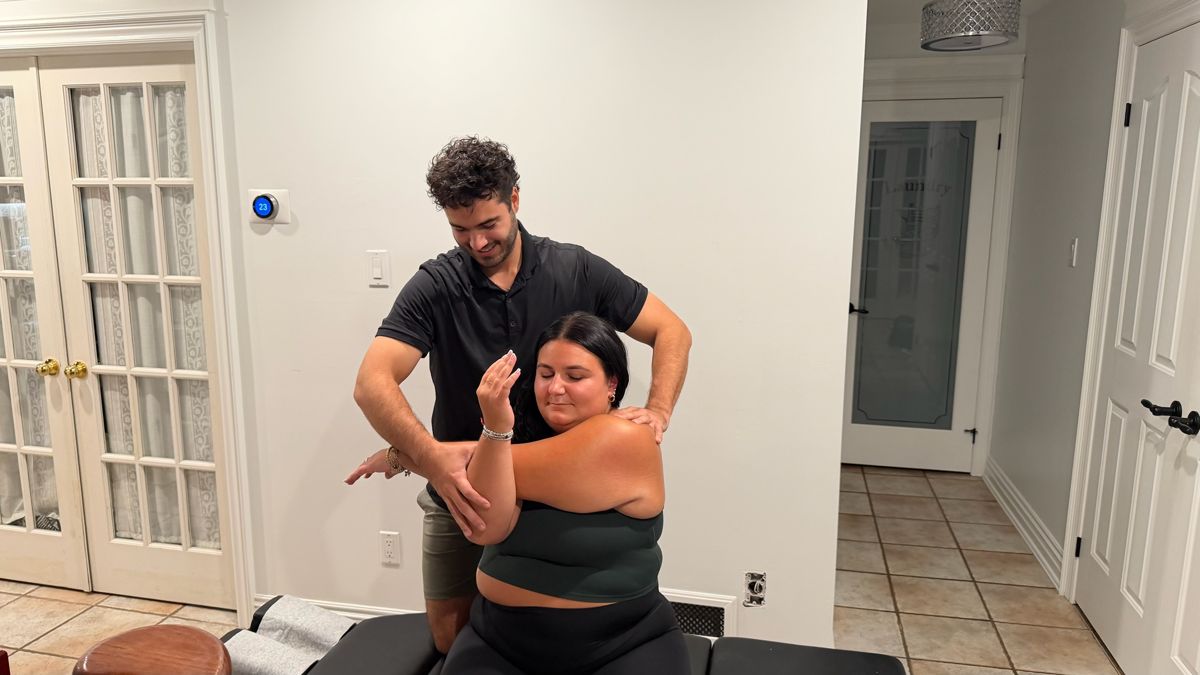
Soft Tissue Therapy for Shoulder Pain
Muscles around the shoulder, shoulder blade, neck and upper back can become tight and sensitive with injury or repetitive activity. Soft tissue therapy targets the areas restricting movement or adding to discomfort, which may include the:
- Rotator cuff
- Upper trapezius
- Posterior shoulder
- Deltoid
- Pectoral muscles
- Latissimus dorsi
- Upper back
- Muscles around the shoulder blade
The goal is better mobility and function, not just treating the "pain spot".
Muscle
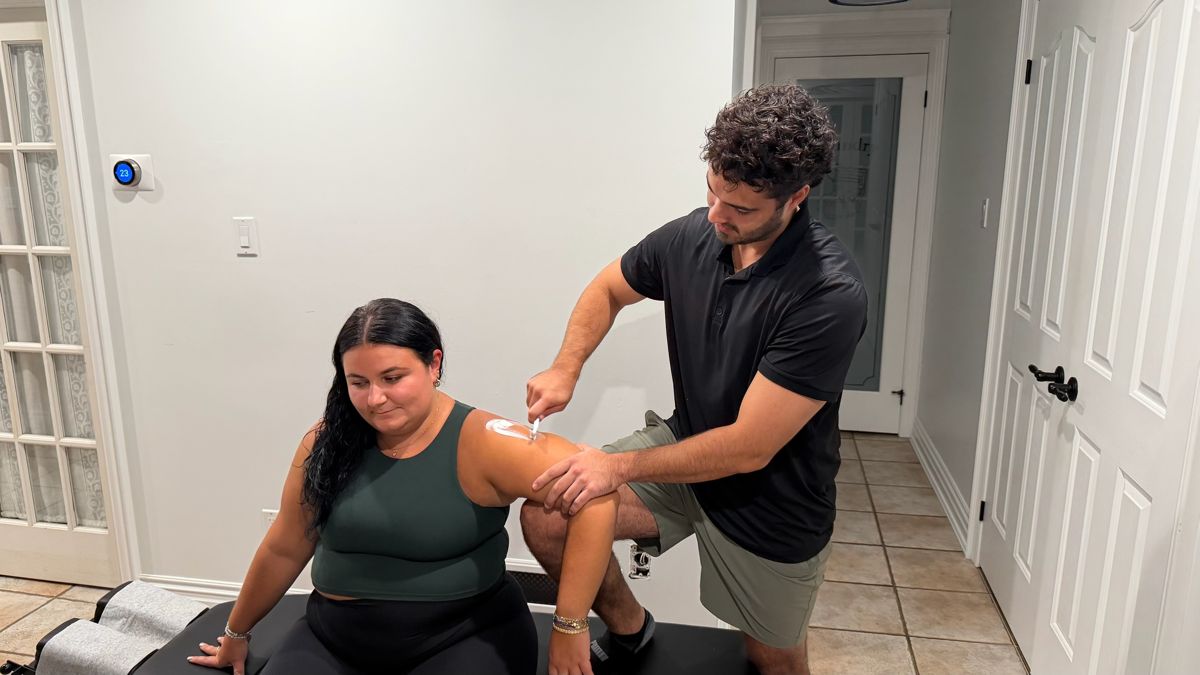
Instrument-Assisted Soft Tissue Therapy for Shoulder Pain
A specialized instrument is used over targeted areas of soft tissue to address restriction and sensitivity and help movement feel more comfortable. It can be especially useful when tight or overloaded tissues around the shoulder and upper back are limiting movement.
It isn't needed for every shoulder problem. It's simply another tool, used when it makes sense for you.
Mobility
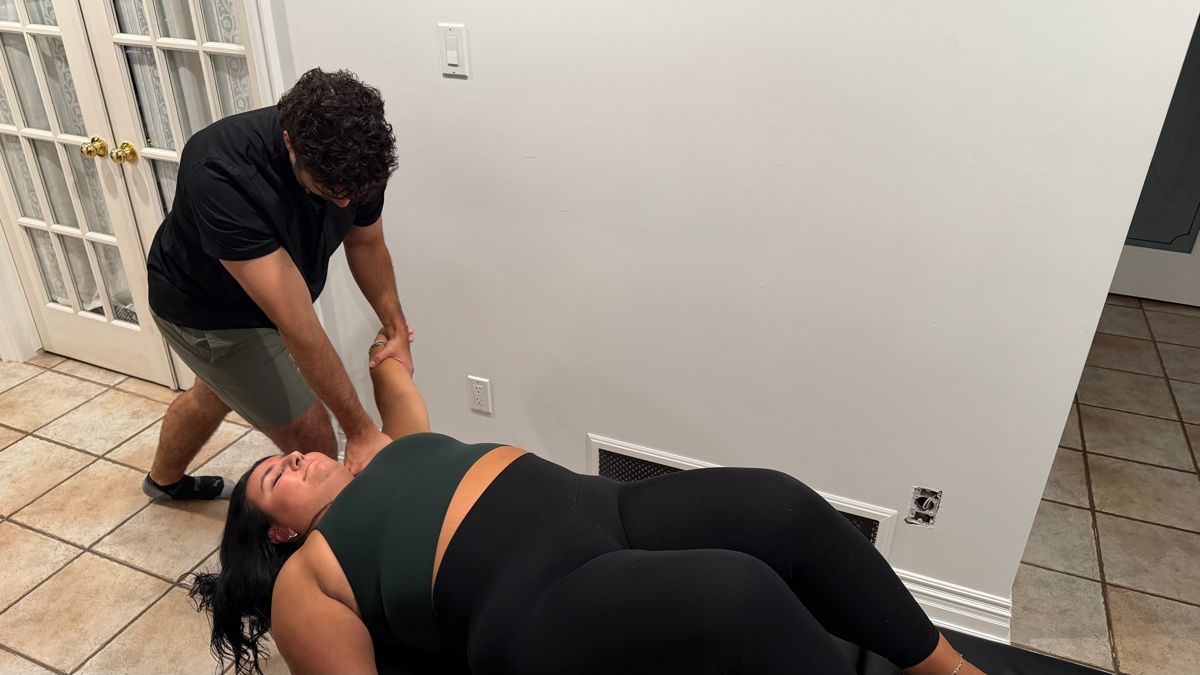
Assisted Stretching for Shoulder Pain
Assisted stretching guides movement in a controlled way while you stay relaxed, targeting the areas limiting your shoulder mobility. It may focus on the:
- Shoulder
- Chest
- Upper back
- Lat muscles
- Posterior shoulder
- Neck
Not every painful shoulder suits aggressive stretching, especially during an acute flare-up. The aim is to restore movement gradually without irritating your tissues.
Between visits
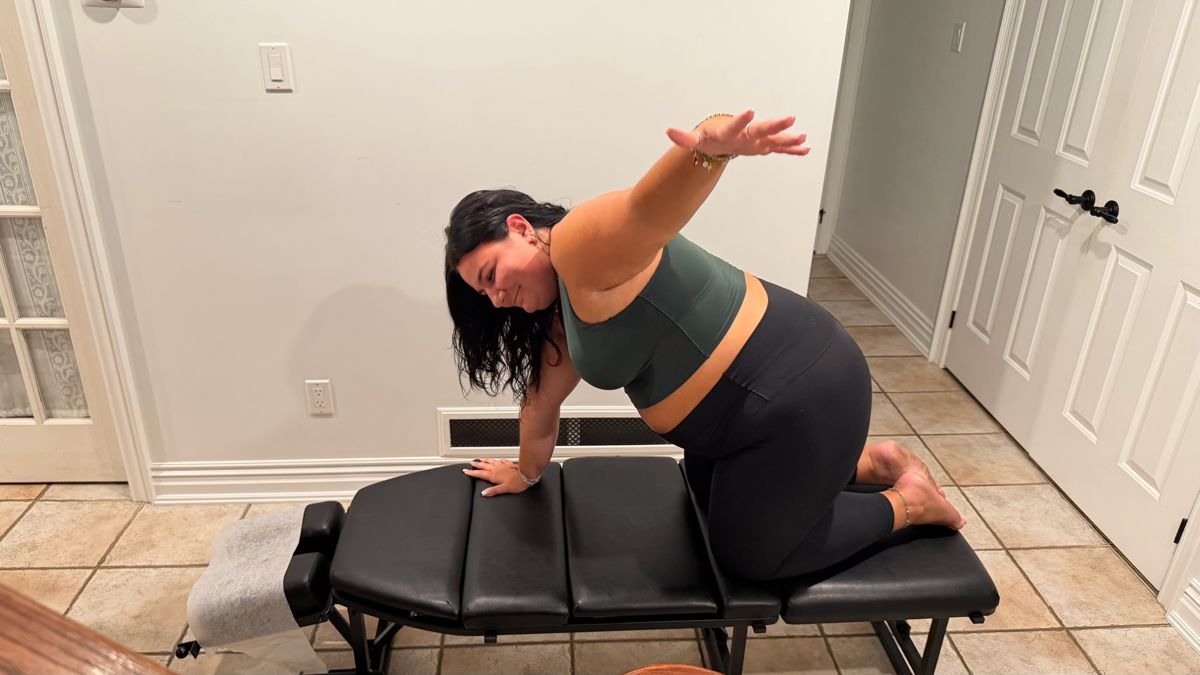
Exercises for Shoulder Pain
Hands-on treatment is only part of recovering from shoulder pain. Once mobility and symptoms allow, exercises build the strength and endurance to get your shoulder back to where you want it. Your program may focus on:
- Rotator cuff strength
- Shoulder mobility
- Shoulder blade control
- Upper-back strength
- Postural endurance
- Overhead movement
- Strength for work and daily life
- Sport-specific movement
A painful, restricted shoulder needs a very different program from one that moves fully but lacks strength, so your exercises match where you are now.
Physiotherapy
Physiotherapy for shoulder pain with Helena
 Helena Greyvenstein · Physiotherapist
Prefer physiotherapy, or want both? Physiotherapy treats shoulder pain without adjustments, using hands-on treatment, exercise and education. After an assessment, treatment may include:
- A progressive strengthening program for the rotator cuff and shoulder blade muscles
- Hands-on mobilization for a stiff shoulder
- Range-of-motion work for frozen shoulder
- Advice on sleeping positions and overhead activities
- Rehab before and after shoulder surgery
You'll finish with a short home program you can actually keep up with. Learn more about in-home physiotherapy in Oakville.
Conditions
Common shoulder problems I treat
Rotator cuff pain
The rotator cuff's four muscles stabilize and control the shoulder. Pain can build from repetitive activity or follow an injury, often felt when lifting your arm, reaching overhead, exercising or sleeping on that side. Treatment manages symptoms, restores comfortable movement and gradually rebuilds strength.
Impingement-related pain
Pain with specific overhead movements or reaching. Rather than assuming every case has the same cause, your shoulder is assessed to see which movements and tissues are involved. Treatment may include mobility work, manual therapy, soft tissue treatment and strengthening.
Shoulder stiffness
Struggling to reach overhead, reach behind your back, or simply get dressed. Where appropriate, treatment combines shoulder mobilization, stretching and exercises to gradually restore comfortable range of motion.
Shoulder blade pain
Pain around the shoulder blade can relate to the surrounding muscles, the thoracic spine, the ribs or the shoulder itself. Another reason looking only at the painful spot may miss the full picture.
Sports and gym shoulder pain
Common with repetitive pressing, pulling, throwing or overhead movements. Treatment restores movement and gradually rebuilds the strength and control to get you back to training.
Why mobile
Who home visits help most
You don't always need to drive to a clinic when you're dealing with shoulder pain. With mobile chiropractic care, Dr. Alex comes to you.
Seniors & their families
Care for your parent, without taking time off work
For seniors living at home, getting to a clinic can mean painful car transfers, a ride from family, and a long wait. Treatment at home removes all of that.
- Shoulder stiffness that makes getting dressed hard
- No driving or car transfers needed
- Treatment in a familiar, comfortable space
- Family members are welcome to be there
Booking for a parent? You can fill out the form on their behalf.
Too sore to travel
When sitting in a car is the last thing you can do
Back spasm, sciatica or a locked-up neck can make the drive to a clinic the most painful part of getting help. So can recovering from a car accident.
- A shoulder too painful to drive or lift
- Car accident (MVA) recovery
- Nervous about driving after a collision
- Treated where you're most comfortable
Car accident rehab may be covered through your extended health benefits and your auto insurance accident benefits. Ask and I'll help you sort out what applies.
Busy professionals
Treatment that fits around your day
No commute, no parking, no waiting room. Your visit happens at home, so the time you'd spend travelling stays yours.
- Desk-related shoulder and upper-back pain
- Ideal if you work from home
- Workstation advice where it's relevant
- A home exercise plan you'll actually do
Appointments are 30 minutes, including setup, with about 20 to 25 minutes of hands-on assessment and treatment.
Service area
Shoulder pain chiropractor near you
If shoulder pain is limiting your work, exercise, sleep or everyday activities, Dr. Alex brings the assessment and treatment to your home.
Oakville
Personalized shoulder assessment and treatment in your own home, without the drive to a clinic.
Book in Oakville
Burlington
A convenient alternative to travelling to a traditional clinic, with home visits throughout Burlington.
Book in Burlington
Milton
Shoulder pain assessment and treatment at home, without travelling to a clinic.
Book in Milton
Timing
When should you get your shoulder assessed?
Consider getting your shoulder assessed if your pain:
- Has continued for several weeks
- Keeps coming back
- Is limiting your range of motion
- Is affecting your sleep
- Is stopping you from exercising
- Is making work or daily tasks difficult
- Started after an injury
- Comes with noticeable weakness
!Some shoulder injuries need medical assessment or imaging, especially after significant trauma, with substantial weakness or major loss of function, or when symptoms aren't improving as expected. Your assessment determines whether chiropractic care is appropriate or whether you should see another healthcare professional.
Common questions
Shoulder pain questions
Physio or chiroShould I see a physiotherapist or a chiropractor for shoulder pain?
Both treat shoulder pain. Chiropractic care with Dr. Alex can include adjustments, while physiotherapy with Helena focuses on hands-on treatment and exercise without adjustments. Some people do well with one, some with both, and because we're a family-run practice, your care stays coordinated. If you're not sure where to start, ask on the 15-minute phone call.
SleepWhy does my shoulder hurt at night?
Shoulder pain can be especially frustrating at night. You may find that you:
- Can't sleep on the painful side
- Wake up when you roll onto it
- Have arm positions that aggravate it
- Wake up with a stiff shoulder
Finding a comfortable sleeping position helps, but persistent night pain shouldn't be ignored. If it keeps interfering with your sleep, an assessment can show what's contributing.
NeckCan shoulder pain come from your neck or upper back?
Yes, it can. The nerves, muscles and joints of the neck, upper back and shoulder work closely together, and pain can be felt away from its source.
That doesn't mean every shoulder problem is a neck problem. It means the neck and upper back should be considered, especially when symptoms don't look like a typical shoulder injury. That's why your assessment may include your neck, thoracic spine, shoulder blade and shoulder.
Home visitsCan I see a chiropractor at home for shoulder pain?
Yes. Dr. Alex provides mobile chiropractic visits for shoulder pain throughout Oakville, Burlington and Milton. Your assessment, treatment and exercise plan all happen at home.
ImagingDo I need an X-ray or MRI for shoulder pain?
Not always. Some shoulder injuries do need medical assessment or imaging, particularly after significant trauma, with substantial weakness or major loss of function, or when symptoms aren't improving as expected. If your assessment suggests that, Dr. Alex will refer you to the appropriate healthcare professional.
ExerciseWill I need to do exercises at home?
Usually, yes. Hands-on treatment is only part of recovery. Once your symptoms allow, exercises build the strength and control your shoulder needs, matched to where you are now, whether that's a painful, stiff shoulder or one that moves fully but lacks strength.