
Relaxed breathing
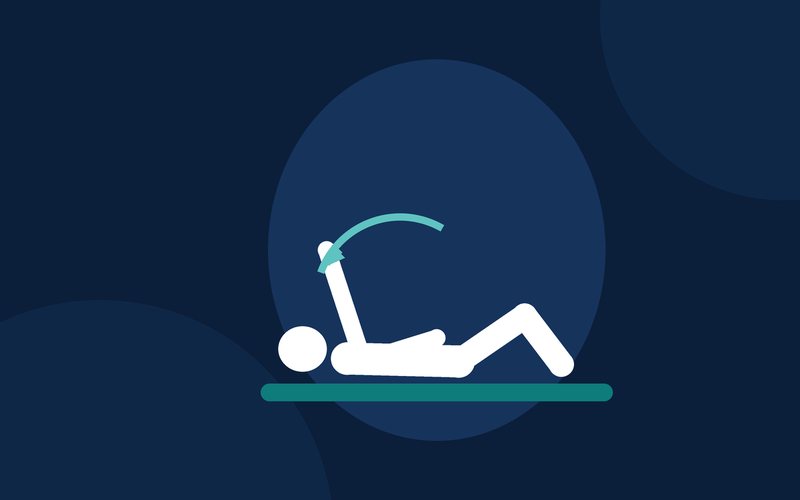
- Sit or lie comfortably with one hand on your lower ribs.
- Breathe in slowly through your nose, letting your ribs widen into your hand.
- Breathe out slowly.
Tip: Easy breaths, not forced.
Home exercises · Physiotherapy

 Helena Greyvenstein, Physiotherapist · Dr. Alex Greyvenstein, DC
Exercises for rib pain and upper back stiffness mostly come down to gentle movement and relaxed breathing, which often help pain from the joints and muscles of the upper back. Get any chest pain checked first, because rib pain and heart pain can feel similar.
Helena and Dr. Alex chose these for people they see at home in Oakville, Burlington and Milton. They're general guidance, not a substitute for an assessment.
Safety first
Breathe easily throughout. If an exercise leaves you short of breath, stop and get checked. Call 911 if it comes with chest pain.
Move slowly and stay in a comfortable range. Mild stretching, tiredness or soreness that settles within a day is normal. Sharp pain, or symptoms that spread or get worse, mean stop.
The routine
Tip: Easy breaths, not forced.
Tip: Keep your knees together.
Tip: Focus on the upper back.
Tip: Keep your shoulders down, away from your ears.
Tip: Keep your hips facing forward.
Progress
Start with the easier exercises and fewer repetitions, then build up gradually over the coming weeks as they feel easier. Desk breaks count too: stand up and gently turn side to side every half hour or so.
If an exercise flares things up, go back to the last version that felt fine, or skip it and ask about it at your visit.
Next step
If you're not improving after two to three weeks, or the pain keeps coming back, an assessment can look for the reason and adjust these exercises to suit you. Read more about our rib pain treatment, or see in-home physiotherapy in Oakville.
Common questions
You can't always tell on your own. Chest pain with shortness of breath, sweating, nausea or pain into the arm or jaw needs emergency care. Call 911.
Gentle breathing exercises and upper-back movement often help pain from the rib joints. Pain with breathing after an injury, or with fever or shortness of breath, needs medical assessment.
Long periods of sitting and slouching can add strain to the upper back and rib joints. Regular movement breaks may help.
Many people improve over days to a few weeks with gentle movement and treatment. If it isn't settling, get it checked.
Get started
We'll check your upper back and rib joints at home and show you which moves to keep.