
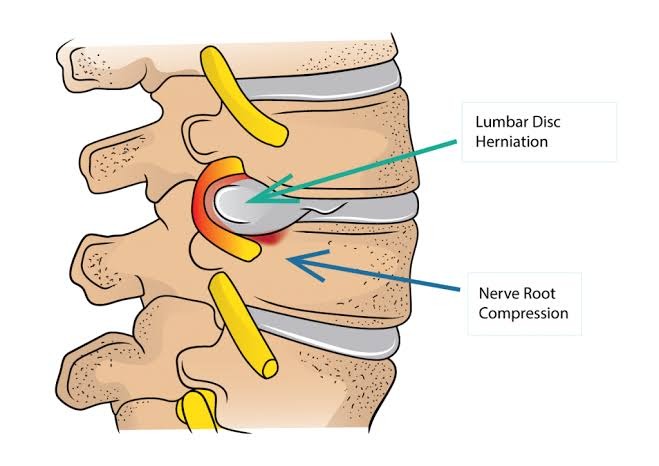
Disc-related sciatica
The most common cause. A bulging or herniated disc in the low back presses on or irritates a nerve root. It's often worse with sitting, bending, coughing or sneezing.
Leg · Physio & chiro at home
 Reviewed by Dr. Alex Greyvenstein, DC · October 1, 2026
Sciatica has a way of taking over your day. A sharp, burning pain shoots from your low back or buttock down your leg, and suddenly sitting, driving, bending to tie your shoes or even sleeping becomes a challenge.
Sitting in a car is often one of the worst positions for sciatica, which is exactly why home visits help. Dr. Alex comes to you, finds out what's irritating the nerve, and builds a plan to calm it down.
Choose chiropractic care with Dr. Alex Greyvenstein, DC, or physiotherapy with Helena Greyvenstein, Physiotherapist, or both.
The basics
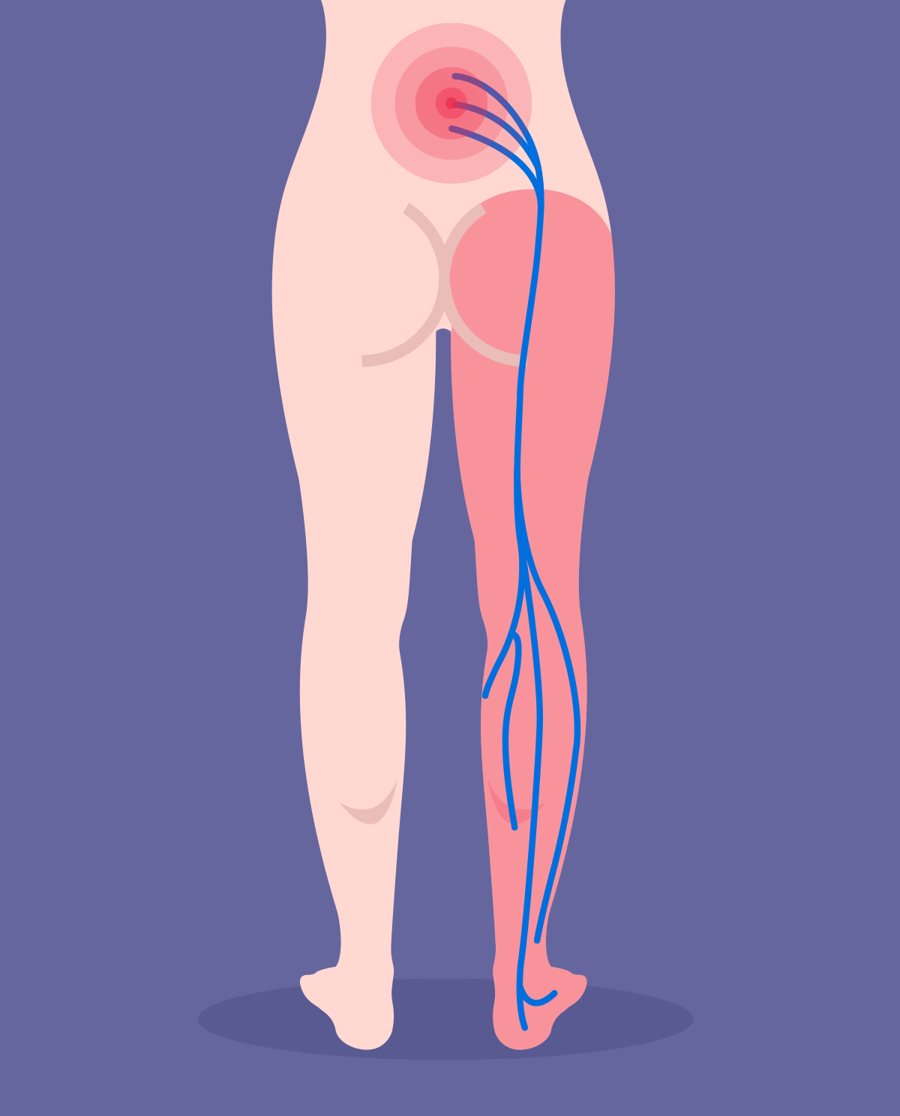
Sciatica is pain that travels along the path of the sciatic nerve, from your low back through the buttock and down the back of your leg, sometimes all the way to your foot. It isn't a diagnosis on its own. It's a description of symptoms, and the real question is what's irritating the nerve.
The sciatic nerve is the largest nerve in the body, made up of nerve roots that leave your low back. When one of those roots, or the nerve itself, gets compressed or irritated, you feel it down the leg, even though the problem is higher up.
The most common cause. A bulging or herniated disc in the low back presses on or irritates a nerve root. It's often worse with sitting, bending, coughing or sneezing.
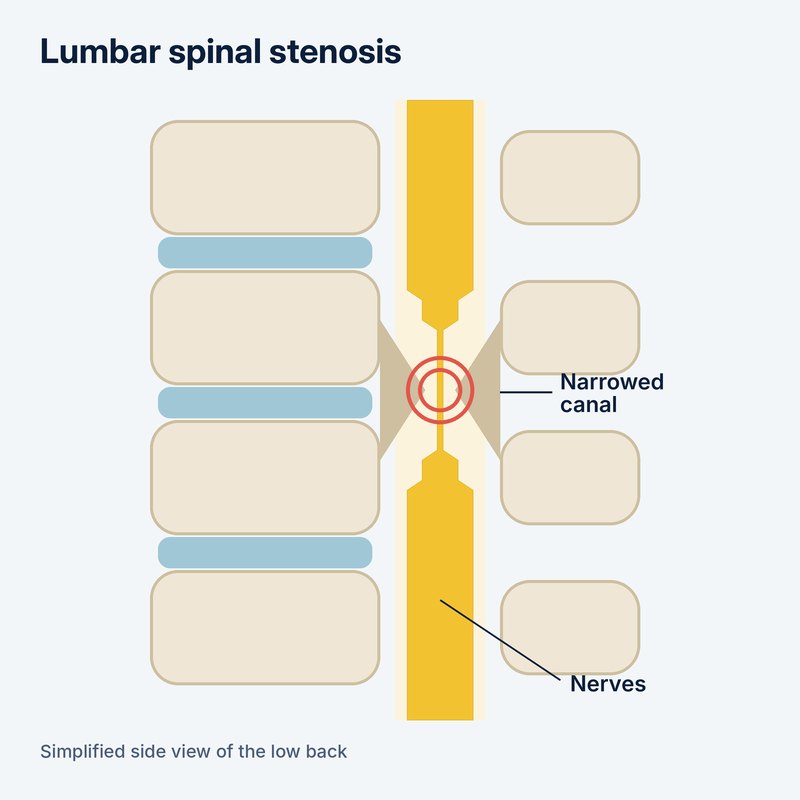
More common after 50. Narrowing around the nerves in the low back causes leg pain or heaviness when standing or walking, which usually eases when you sit or bend forward.
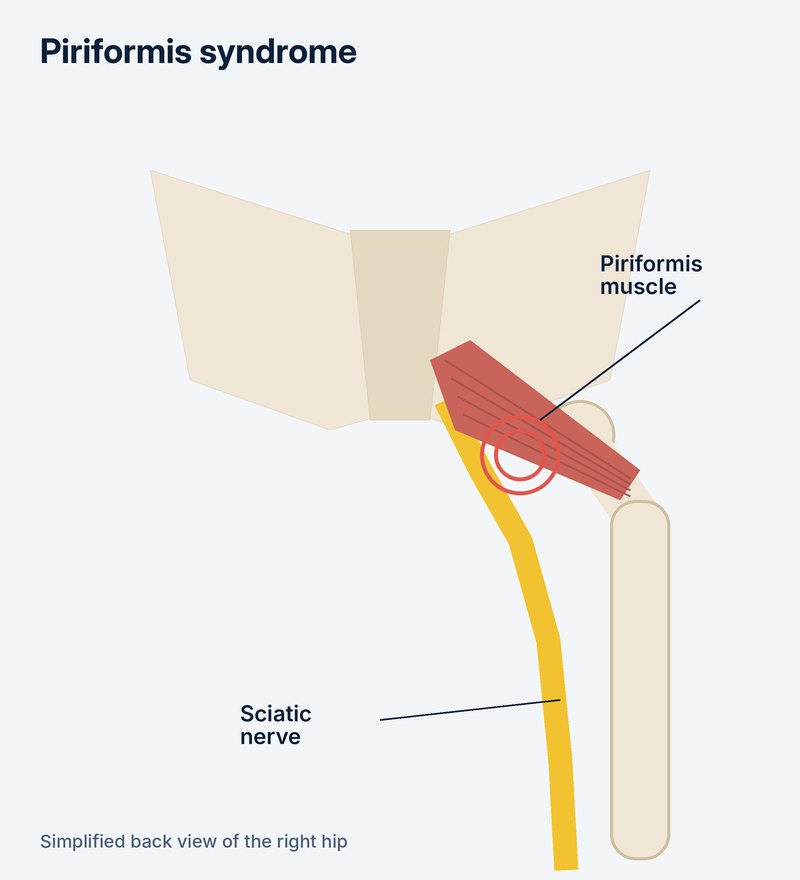
Sometimes the nerve is irritated deep in the buttock, where it passes near the piriformis and other hip muscles. This is often called piriformis syndrome and tends to be worse with sitting.
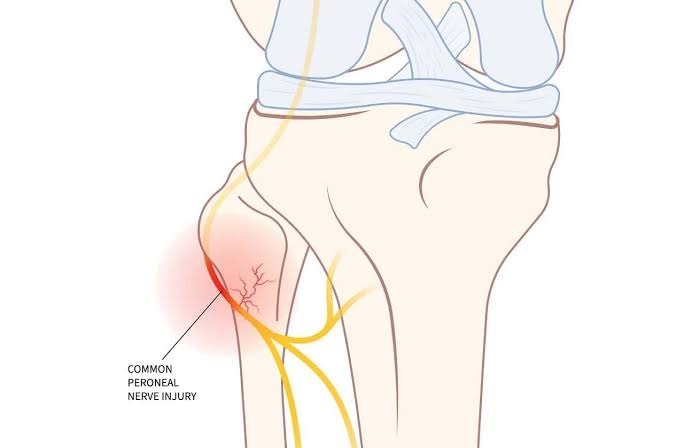
The common peroneal nerve is a branch of the sciatic nerve that wraps around the outside of the knee. Pressure there, from crossing your legs, long periods of squatting or kneeling, or tight boots or braces, can cause numbness, tingling or weakness in the outer shin and top of the foot. It can feel like sciatica, but the problem is at the knee, not the back.
Causes
Sciatica can come on suddenly after lifting or twisting, or build gradually over weeks. Common causes and contributing factors include:
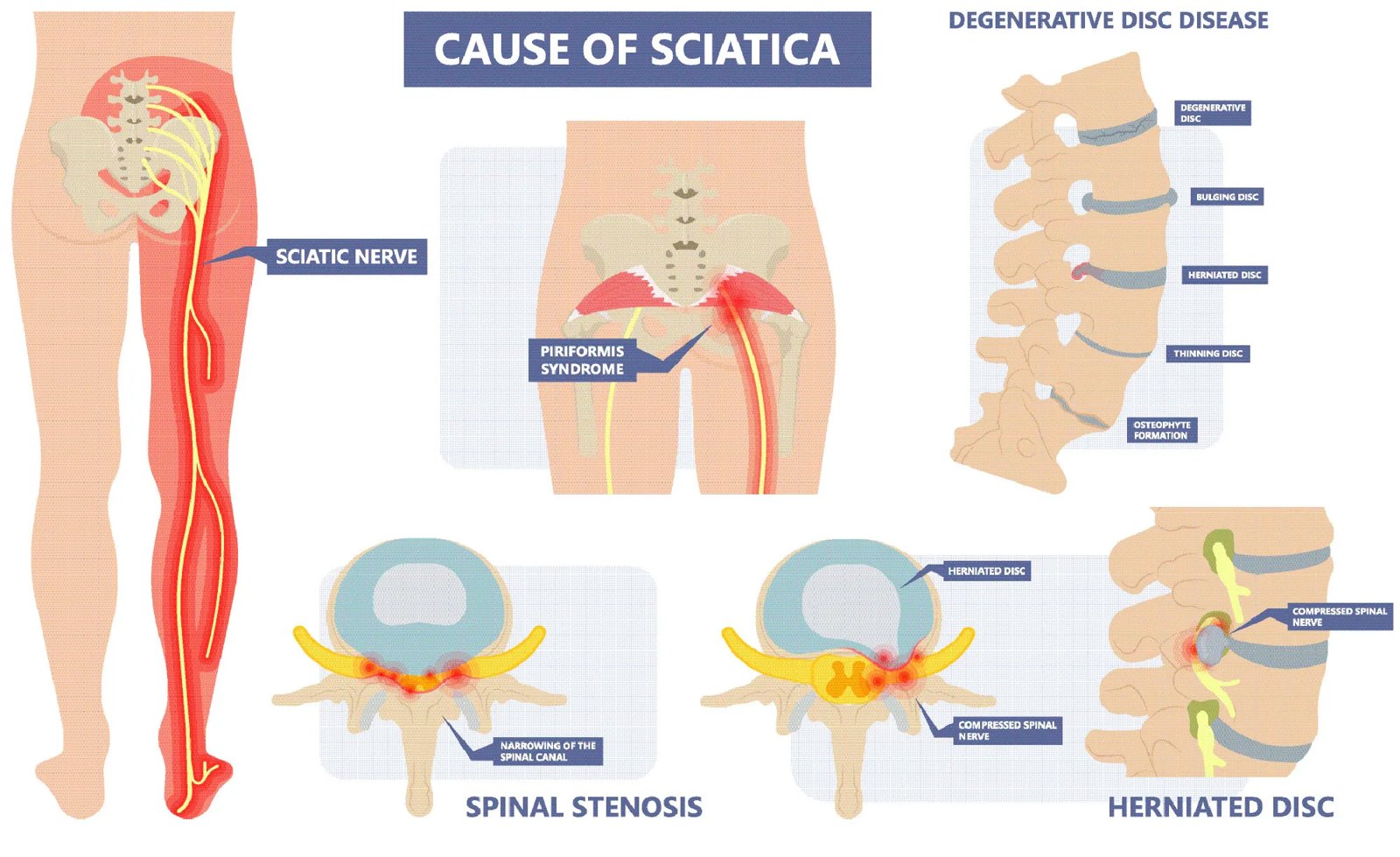
Often it's a combination, like a disc that's already a little irritated plus a week of long days at the desk and a heavy lift on the weekend.
Symptoms
Sciatica usually affects one side. You might notice:
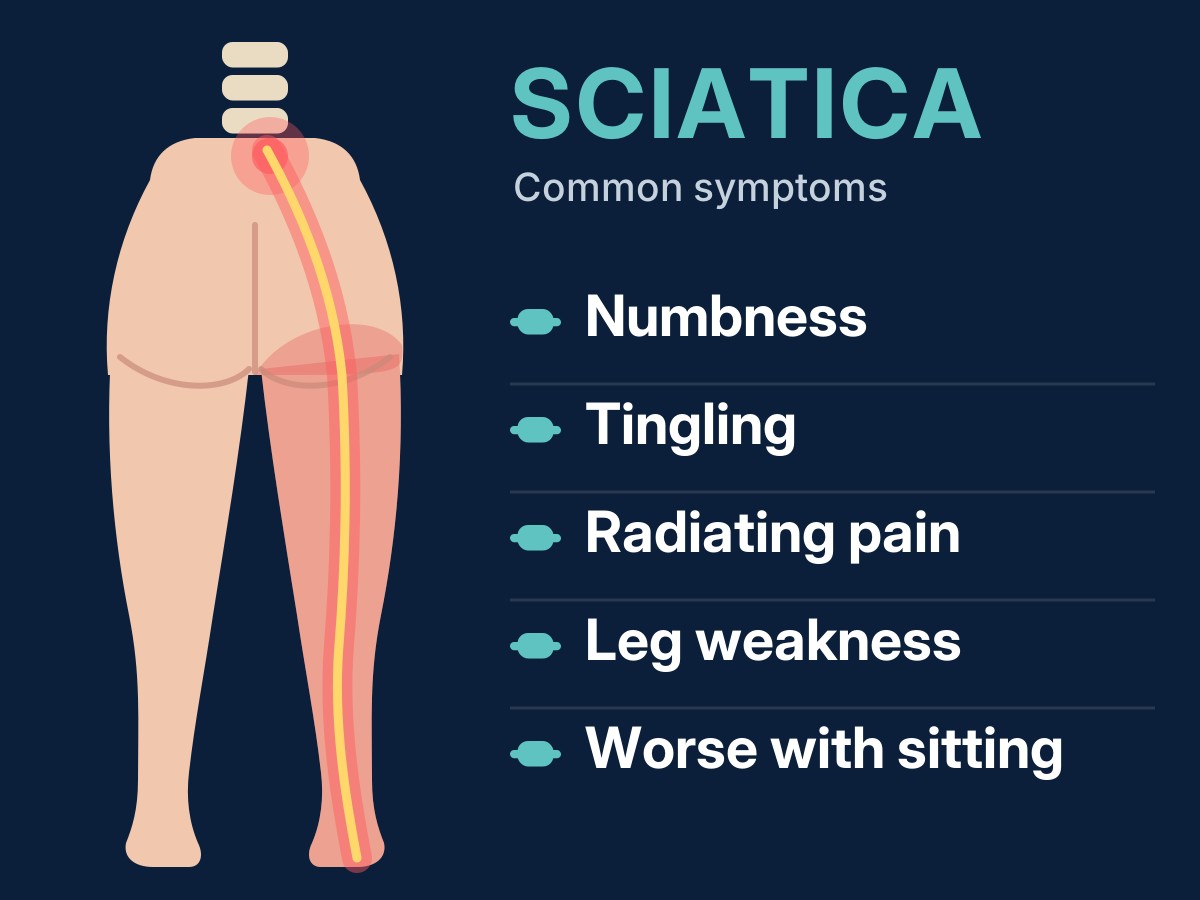
Leg pain that's worse than back pain, especially below the knee, is one of the clearest signs that a nerve is involved.
Treatment
Your visit starts with a careful assessment. Along with checking how your back and hips move, Dr. Alex tests the strength, reflexes and sensation in your legs, and how the nerve responds to movement. This shows how irritated the nerve is, roughly where it's coming from, and whether chiropractic care is the right fit. Treatment may include some of the following.
When stiffness in the low back or pelvis is adding pressure or irritation around the nerve, a chiropractic adjustment may help restore more normal movement. This may involve the lumbar spine, the sacroiliac (SI) joints or the mid-back, depending on your assessment.
With sciatica, how sensitive the nerve is always guides the choice of technique. If an adjustment isn't the right fit for you right now, gentler options are used instead.
Mobilizations use slow, controlled, repeated movements to ease stiffness in the low back and pelvis without a quick thrust. They're often a good option when the nerve is very irritated, when pain is high, or if you simply prefer a gentler approach.
Muscles around the low back, hips and buttock often tighten up to protect an irritated nerve, and that tension can add to the pain. Dr. Alex may use Muscle Release Therapy (MRT) on areas such as the:
Gentle stretches for the hips, glutes and low back can ease tension around the nerve and make sitting, walking and bending more comfortable. They're chosen carefully, because pulling too hard on an irritated nerve can make things worse. You'll be shown which ones to do, how far to go, and which to skip for now. They may include:
Many people with sciatica find certain movements ease their leg pain. Your assessment helps find those movements, and your program builds from there as you improve. It may include:
An irritated nerve often becomes sensitive to stretch. Nerve flossing, also called nerve gliding, gently slides the sciatic nerve back and forth along its path without straining it. Done correctly, it can help calm the nerve and make movement easier. Dr. Alex will show you the right version for where you're at, since doing too much too soon can stir symptoms up.
Physiotherapy
 Helena Greyvenstein · Physiotherapist
Prefer physiotherapy, or want both? Physiotherapy treats sciatica without adjustments, using hands-on treatment, exercise and education. After an assessment, treatment may include:
You'll finish with a short home program you can actually keep up with. Learn more about in-home physiotherapy in Oakville.
Day to day
Small changes during the day can make a big difference to an irritated nerve:
Stand up and move every 20 to 30 minutes. Sitting still for long stretches is one of the most common aggravators.
Short, comfortable walks usually help more than lying in bed. Stay within what your leg tolerates.
A pillow between your knees on your side, or under your knees on your back, takes pressure off the low back.
Sitting on a wallet or phone tilts your pelvis and can press right where the nerve runs through the buttock.
Why mobile
With sciatica, the car ride to a clinic can be the most painful part of getting help. With mobile chiropractic care, Dr. Alex comes to you.
For seniors living at home, getting to a clinic can mean painful car transfers, a ride from family, and a long wait. Treatment at home removes all of that.
Booking for a parent? You can fill out the form on their behalf.
Back spasm, sciatica or a locked-up neck can make the drive to a clinic the most painful part of getting help. So can recovering from a car accident.
Car accident rehab may be covered through your extended health benefits and your auto insurance accident benefits. Ask and I'll help you sort out what applies.
No commute, no parking, no waiting room. Your visit happens at home, so the time you'd spend travelling stays yours.
Appointments are 30 minutes, including setup, with about 20 to 25 minutes of hands-on assessment and treatment.
Service area
Dr. Alex brings sciatica assessment and treatment directly to your home.
A convenient alternative to travelling to a traditional clinic, with home visits throughout Burlington.
Book in BurlingtonSafety first
Most sciatica improves with conservative care, but some symptoms mean the nerves are under serious pressure and need urgent attention.
Go to the emergency department if you have:
See your doctor promptly if you have:
Your assessment includes checks for these signs. If anything needs further investigation, Dr. Alex will tell you and refer you to the right place.
More care at home
Sciatica care is part of our in-home chiropractic service. Exercise-based rehab with Helena through in-home physiotherapy can also be part of your plan.
Common questions
Both treat sciatica. Chiropractic care with Dr. Alex can include adjustments, while physiotherapy with Helena focuses on hands-on treatment and exercise without adjustments. Some people do well with one, some with both, and because we're a family-run practice, your care stays coordinated. If you're not sure where to start, ask on the 15-minute phone call.
For many people, yes. When sciatica comes from an irritated nerve root, tight hip muscles or stiffness in the low back, hands-on treatment, nerve mobility work and the right exercises can help calm things down. Your assessment checks your strength, reflexes and sensation first, so you'll know whether chiropractic care is a good fit or whether you need to see someone else.
Many people improve noticeably within a few weeks, and most improve within a few months. Some cases take longer, especially if the pain has been around for a while. Staying active within your limits and following your exercises makes a real difference.
Stay as active as your pain allows. Short walks and regular position changes usually help more than bed rest, which can leave you stiffer. Avoid the things that clearly flare your leg pain, and your plan will guide what's safe to do.
Sitting puts more pressure on the discs in your low back and keeps the nerve in a slightly stretched position, especially in a low or soft seat. That's why long drives and desk days are often the worst. Regular breaks and a better chair setup can help, and because visits are at home, your actual setup can be checked.
Not exactly. Piriformis syndrome is one possible cause of sciatica symptoms, where the nerve is irritated deep in the buttock rather than at the spine. Most sciatica comes from the low back, so a proper assessment is important to work out which one you're dealing with.
Usually not at first. Most sciatica improves without imaging. An MRI may be needed if you have significant or worsening weakness, symptoms that aren't improving after several weeks of care, or any of the emergency warning signs. Dr. Alex will refer you if your assessment points that way.
Either can help with pain, so use whichever feels better. Many people find heat on the low back or buttock relaxes tight muscles. Keep sessions to about 15 to 20 minutes and protect your skin.
Yes. Dr. Alex provides mobile chiropractic visits for sciatica throughout Oakville, Burlington and Milton, which is especially helpful when sitting in a car is painful.
Reviews shown directly from Google Maps.
Get started
If pain is shooting down your leg and sitting in a car is the last thing you want to do, Dr. Alex will assess you at home and build a plan to calm the nerve and get you moving again.