Tennis elbow
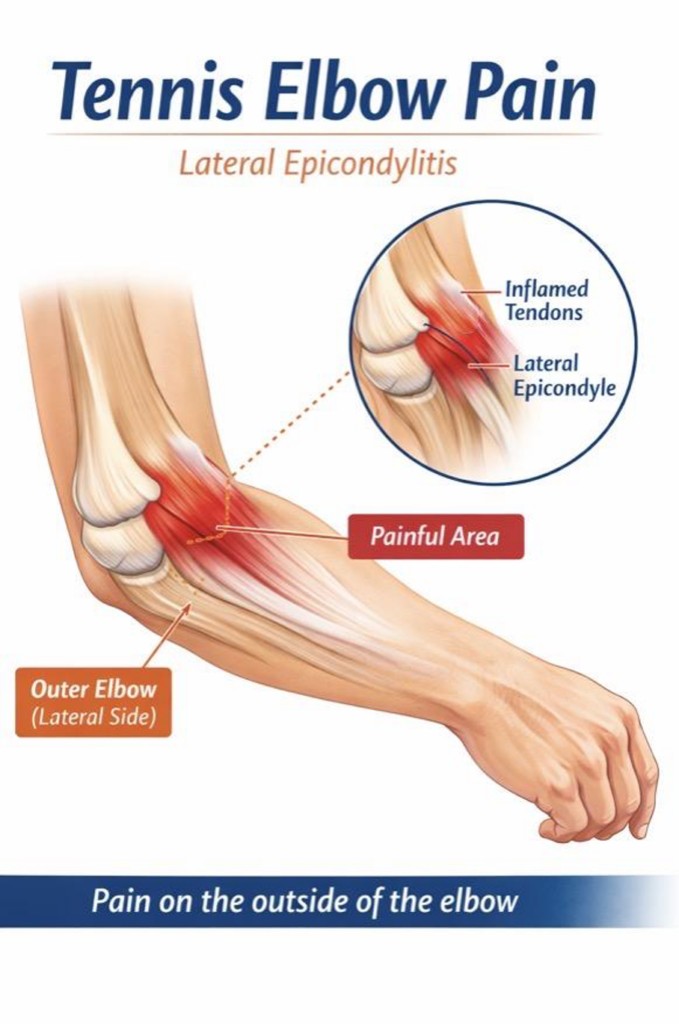
Pain on the outside of the elbow. Usually worse when gripping, lifting with your palm down, or bending your wrist back against resistance.
Arm · Physio & chiro at home
 Reviewed by Dr. Alex Greyvenstein, DC · October 1, 2026
Tennis elbow has a way of turning small things into a big deal. Picking up a coffee mug, shaking someone's hand, opening a jar, or a full day on the mouse can all send a sharp ache down the outside of your elbow.
And despite the name, most people who get it have never played tennis. Dr. Alex assesses what's overloading your elbow and builds a plan to settle it down and make it stronger, right in your home.
Choose chiropractic care with Dr. Alex Greyvenstein, DC, or physiotherapy with Helena Greyvenstein, Physiotherapist, or both.
The basics
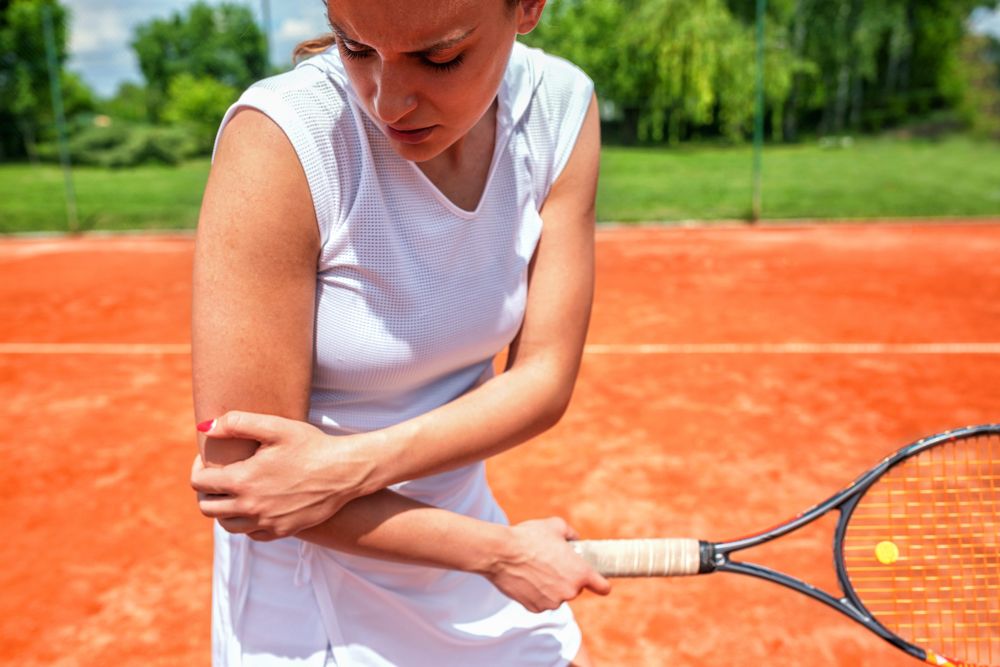
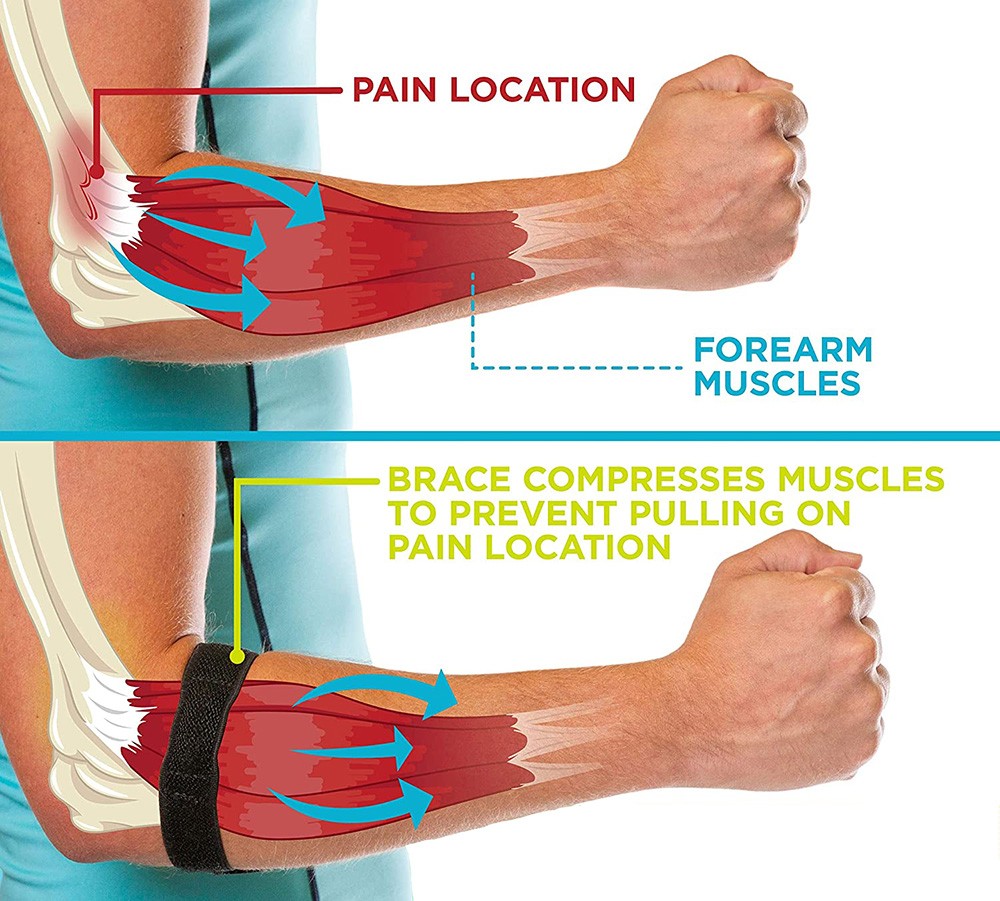
Tennis elbow, or lateral epicondylalgia, is pain on the outside of the elbow where the forearm muscles that extend your wrist and fingers attach to the bone. When those tendons are asked to do more than they're ready for, over and over, they become irritated and sensitive.
It's an overload problem rather than a sudden injury. That's good news, because it means the right mix of easing off the aggravating load and gradually rebuilding strength usually gets it moving in the right direction.
Pain on the outside of the elbow. Usually worse when gripping, lifting with your palm down, or bending your wrist back against resistance.
Pain on the inside of the elbow. Usually worse when gripping, lifting with your palm up, or bending your wrist forward. It's treated in a similar way.
Sometimes pain on the outside of the elbow comes from the neck or an irritated nerve. If there's tingling, numbness or neck pain too, your neck will be checked as part of the assessment.
Causes
Tennis elbow usually builds up from repeated gripping and wrist movement. Common causes and contributing factors include:
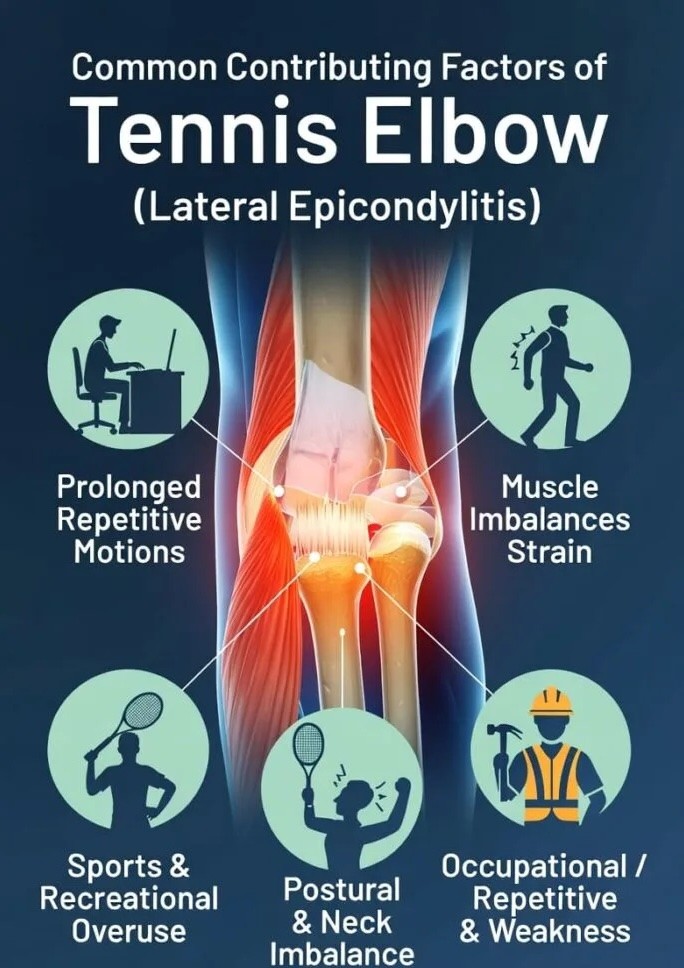
A common story is a new project, like a weekend of painting or a busy stretch at work, on top of an already busy arm. It's rarely one thing.
Symptoms
You might notice:
Most people can still bend and straighten their elbow fully. It's using the hand and wrist under load that hurts.
Treatment
Your visit starts with a conversation about your work, hobbies and what sets your elbow off. Then Dr. Alex checks your grip, the tendons, your wrist and shoulder, and your neck if needed. From there, treatment is built around getting your elbow comfortable and strong enough for what you need it to do.
The forearm muscles that attach at the outside of the elbow often get tight, knotted and tender when the tendon is irritated. Dr. Alex uses hands-on techniques such as Muscle Release Therapy (MRT) to ease that tension, often while you move your wrist and fingers. Areas may include the:
A smooth, specially shaped tool is glided along the forearm to work through tight, sensitive tissue around the sore tendon. It lets Dr. Alex treat a wider area and target the stubborn spots that hands alone can miss. It's a useful tool for many tennis elbow cases, but it's only used when it suits you.
The nerves that run to your elbow and forearm start in your neck, and stiffness in the neck and upper back can change how your whole arm works. If your assessment shows these areas are involved, adjustments or gentle mobilizations to the neck and upper back may be part of your treatment. It's not about treating your neck instead of your elbow, but making sure nothing up the chain is adding to the problem.
Exercise is what makes the results last. Tendons get stronger and less sensitive when they're loaded the right amount, not too much and not too little. Your program starts gently and builds over time, and may include:
A tennis elbow strap, also called a counterforce brace, sits just below the elbow and takes some strain off the sore tendon when you grip. For many people it makes work, sport and daily tasks more comfortable while the elbow recovers. Dr. Alex will tell you whether a brace makes sense for you, which type to get, where to position it, and when to wear it, so it supports your recovery instead of replacing it.
Physiotherapy
 Helena Greyvenstein · Physiotherapist
Prefer physiotherapy, or want both? Physiotherapy treats tennis elbow without adjustments, using hands-on treatment, exercise and education. After an assessment, treatment may include:
You'll finish with a short home program you can actually keep up with. Learn more about in-home physiotherapy in Oakville.
Day to day
Treatment works best when your elbow isn't being overloaded the rest of the day. A few small changes help:
Carrying a bag or mug with your palm facing up uses different muscles and takes load off the sore tendon.
Most people grip their mouse, phone and tools harder than they need to. Try relaxing your hand a little.
Keep your mouse close and your wrist straight. Because visits are at home, your actual workspace can be checked.
Cut back on what flares it up, but keep using your arm. Complete rest tends to leave the tendon weaker.
Why mobile
Tennis elbow takes steady, consistent care. With mobile chiropractic, there's no commute to fit in, so it's easier to stick with your plan.
For seniors living at home, getting to a clinic can mean painful car transfers, a ride from family, and a long wait. Treatment at home removes all of that.
Booking for a parent? You can fill out the form on their behalf.
Back spasm, sciatica or a locked-up neck can make the drive to a clinic the most painful part of getting help. So can recovering from a car accident.
Car accident rehab may be covered through your extended health benefits and your auto insurance accident benefits. Ask and I'll help you sort out what applies.
No commute, no parking, no waiting room. Your visit happens at home, so the time you'd spend travelling stays yours.
Appointments are 30 minutes, including setup, with about 20 to 25 minutes of hands-on assessment and treatment.
Service area
Dr. Alex brings tennis elbow assessment and treatment directly to your home.
A convenient alternative to travelling to a traditional clinic, with home visits throughout Burlington.
Book in BurlingtonTennis elbow assessment and treatment at home, without travelling to a clinic.
Book in MiltonSafety first
Most tennis elbow is an overload problem, but some symptoms point to something else.
See a doctor promptly if you have:
If your assessment points to something that needs further investigation, Dr. Alex will tell you and refer you to the right place.
More care at home
Tennis elbow treatment is part of our in-home chiropractic care. Physiotherapy at home with Helena is also available if you'd like more help with strengthening.
Common questions
Both treat tennis elbow. Chiropractic care with Dr. Alex can include adjustments, while physiotherapy with Helena focuses on hands-on treatment and exercise without adjustments. Some people do well with one, some with both, and because we're a family-run practice, your care stays coordinated. If you're not sure where to start, ask on the 15-minute phone call.
Yes, and most people do. The name stuck because it's common in tennis players, but computer work, trades, gardening, gym training and lifting young kids are far more common causes.
Yes. Treatment focuses on strengthening the tendon, easing tension in the forearm, gentle joint work, and changing what's overloading your elbow day to day. If your neck is involved, that gets treated too.
It varies a lot. Some people feel better within a few weeks, but tendons adapt slowly, and tennis elbow that's been around for a while can take several months. Sticking with your exercises and managing your daily load makes the biggest difference.
Usually not. Easing off the activities that flare it up helps, but complete rest tends to leave the tendon weaker and less able to cope when you go back to normal use. The goal is the right amount of load, not none.
A forearm strap can ease pain for some people during activities that aggravate it. It's a helpful short-term tool, but it doesn't fix the problem on its own, so it works best alongside exercise and treatment.
Tennis elbow causes pain on the outside of the elbow, while golfer's elbow causes pain on the inside. Both are overload problems with forearm tendons, and both are treated in a similar way, with strengthening, soft tissue work and managing daily load.
Either can help ease pain, so use whichever feels better. Many people find ice helpful after an activity that flares it up, and heat helpful for stiffness. Neither one fixes the tendon, so they work best alongside your exercises.
Yes. Dr. Alex provides mobile chiropractic visits for tennis elbow throughout Oakville, Burlington and Milton, including a look at your home workstation if computer work is part of the problem.
Reviews shown directly from Google Maps.
Get started
If gripping, lifting or a day at the computer is making your elbow ache, Dr. Alex will assess it at home and build a plan to get it comfortable and strong again.