Causes
What can cause headaches?
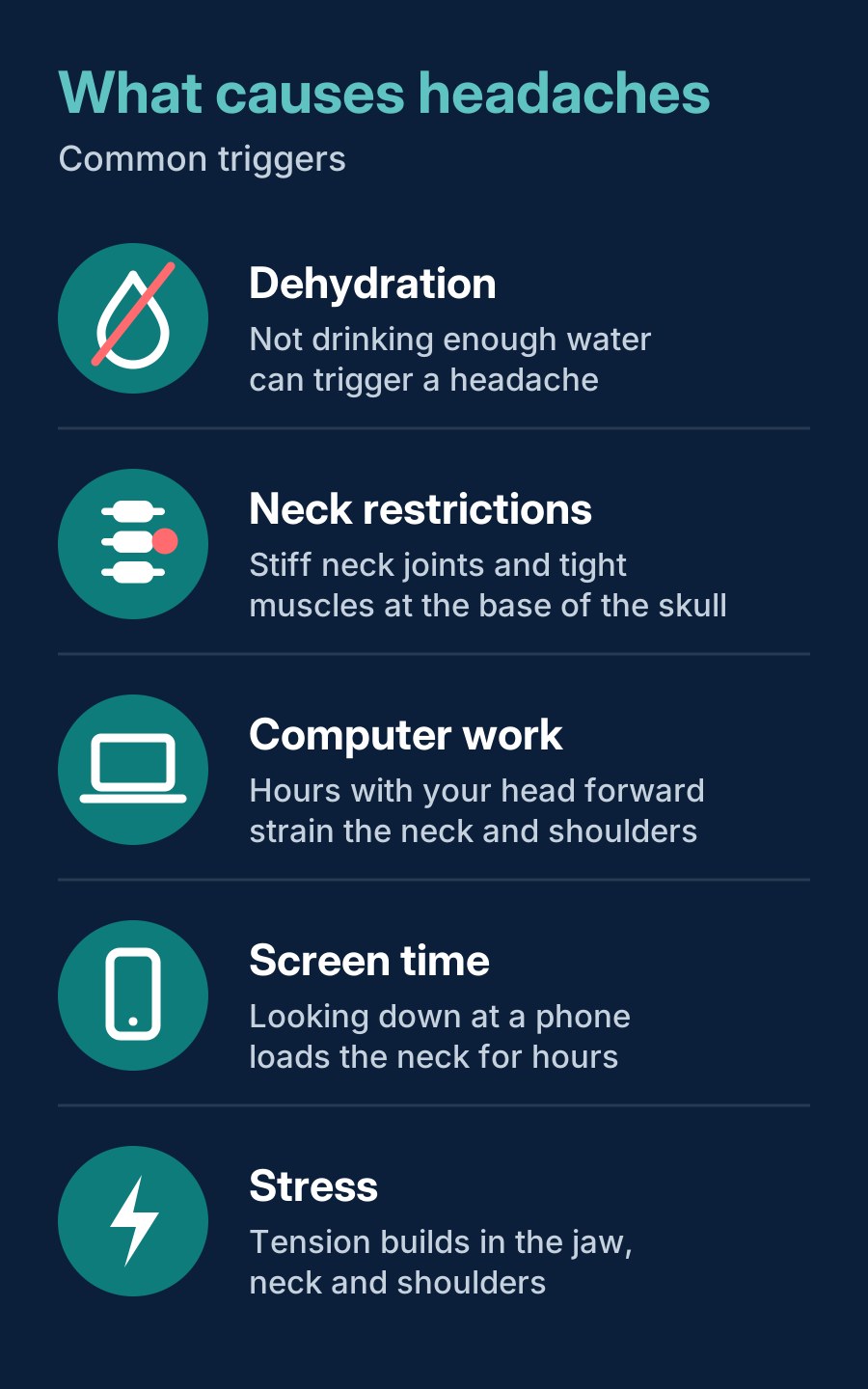
There are many causes of headaches, and not all of them come from the muscles or joints of the neck. For some people, headaches are linked to musculoskeletal factors such as neck tension, upper-back stiffness, prolonged posture or jaw tension. Common contributing factors include:
Several factors are often involved at once. A chiropractic assessment can help determine whether musculoskeletal factors are contributing to your headaches, and whether treatment is appropriate.
Types
Common types of headaches
Headaches don't all feel the same. The type and pattern of your headache helps decide what kind of care may be appropriate.
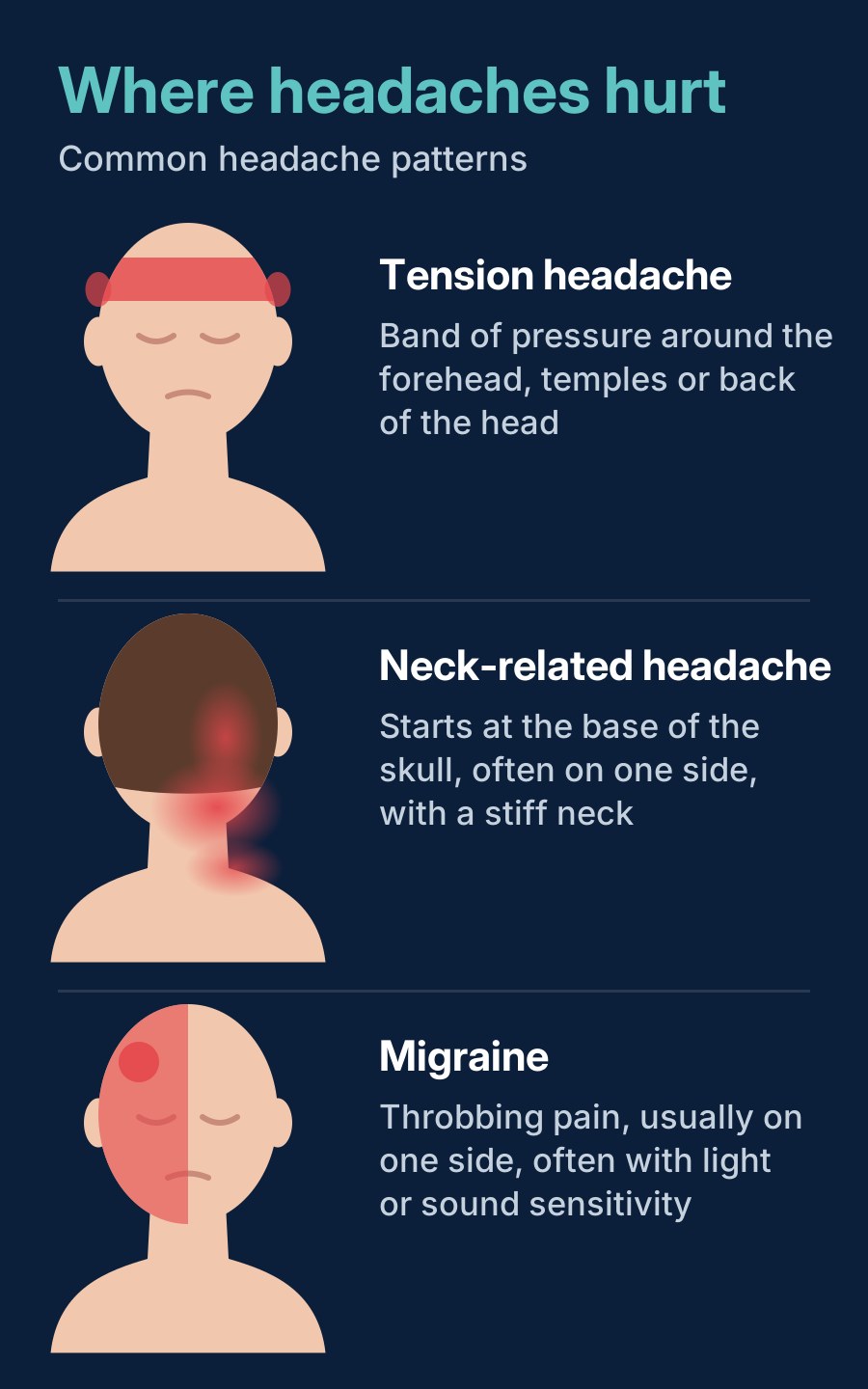
Tension headaches
Pressure, tightness or aching around the head, often described as a band around the forehead, temples or back of the head. Often associated with:
- Neck and upper shoulder tension
- Upper-back stiffness
- Poor posture
- Long periods at a computer
- Stress and prolonged sitting
- Jaw tension
When musculoskeletal factors are involved, treatment may focus on the neck, upper back, shoulders and surrounding muscles.
Neck-related headaches
Some headaches start from structures in the neck and are felt in the head. They may come with:
- Neck stiffness
- Reduced neck movement
- Upper neck tension
- Pain around the base of the skull
- Upper shoulder tension
- Headaches linked to prolonged posture
Where appropriate, treatment focuses on improving neck and upper-back movement and easing surrounding muscle tension.
Migraines
Migraines differ from typical tension headaches and can involve throbbing or pulsing pain, nausea, and sensitivity to light or sound.
They have many possible triggers, and chiropractic care isn't appropriate for every migraine sufferer. If your headaches have been diagnosed as migraines, Dr. Alex can assess whether musculoskeletal factors may also be contributing.
!If your headache pattern is unusual, severe, rapidly changing, or comes with concerning symptoms, seek medical assessment.
Symptoms
Common headache symptoms
Headache symptoms vary a lot from person to person. You may experience:
The location, intensity, duration and pattern of your headaches all help determine the right approach.
Treatment
How Dr. Alex treats headaches at home
There isn't one treatment that's right for everyone with headaches. Your appointment begins with an assessment of your headache history, symptoms, neck movement, posture, muscle tension and activities. If your headaches appear to have a musculoskeletal component and chiropractic care is appropriate, treatment may combine some of the following.
Joint
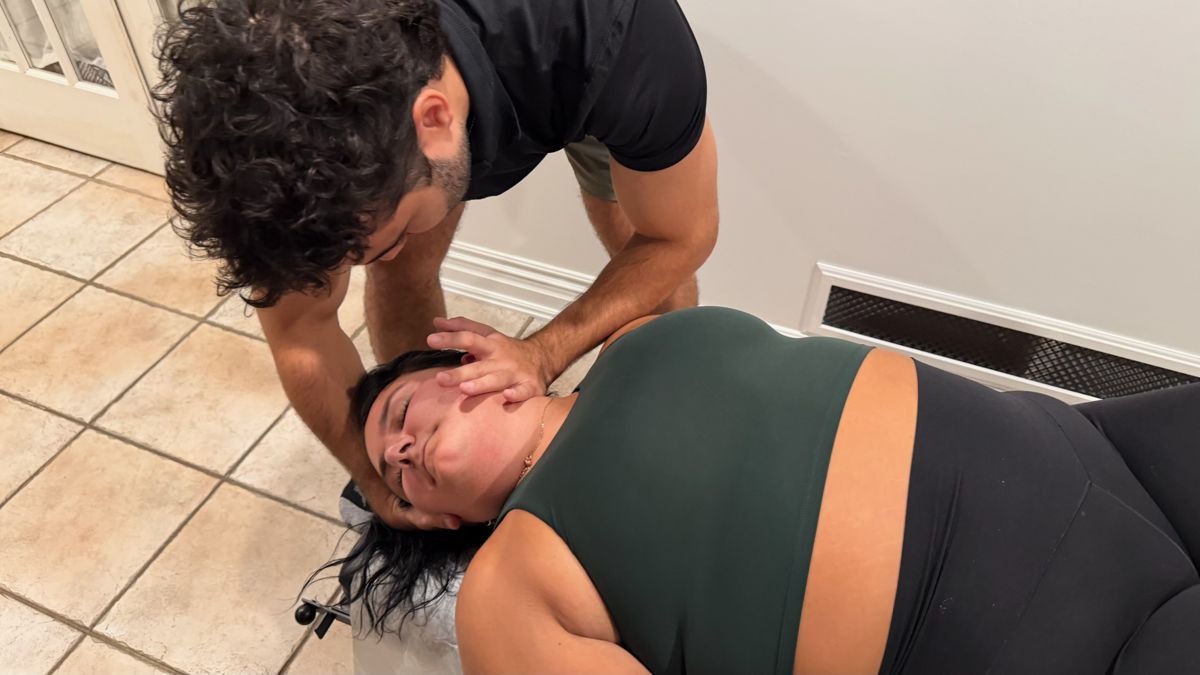
Chiropractic Adjustments for Headaches
Adjustments may be used when restricted movement in the spine is contributing to neck stiffness or other musculoskeletal factors linked to your headaches. Treatment may involve the cervical spine or upper back, with the goal of improving normal joint mobility where appropriate.
An adjustment isn't appropriate for every headache or every patient. Your assessment determines whether it suits you.
Joint
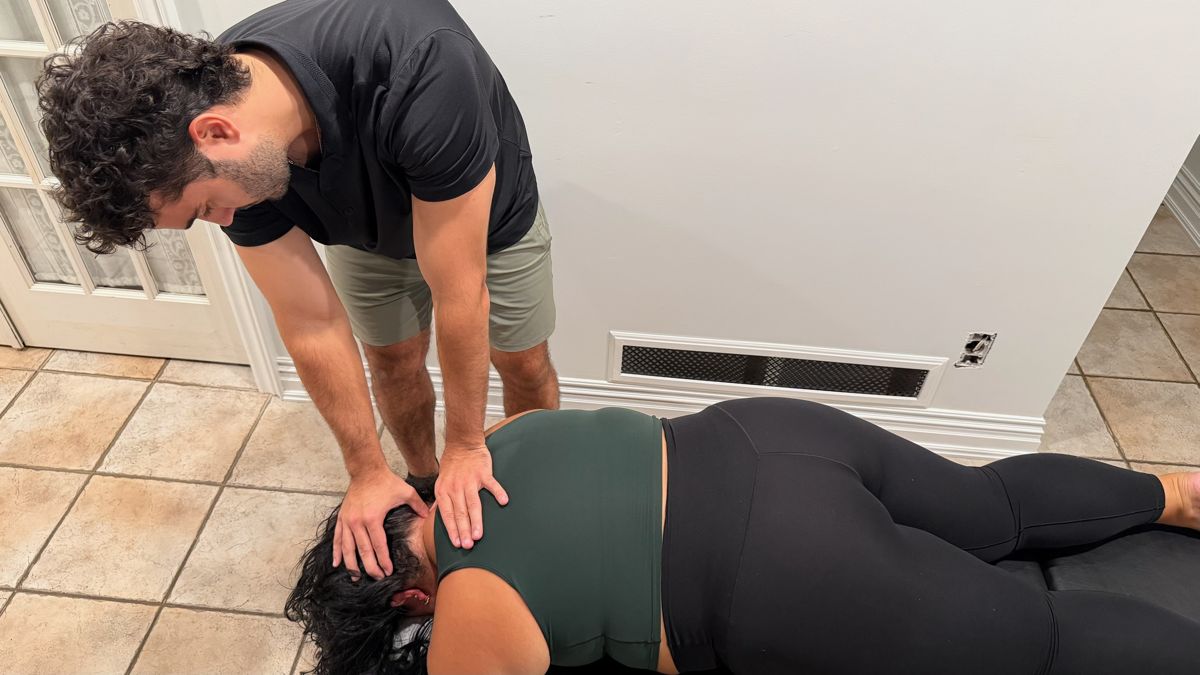
Joint Mobilization for Headaches
When areas of the neck or upper back are stiff, mobilizations use controlled, repeated movements through a joint's available range instead of a quick thrust. They may be used around the cervical spine, upper back or shoulders when restricted mobility is contributing to neck tension or headaches.
Muscle
Soft Tissue Therapy for Headaches
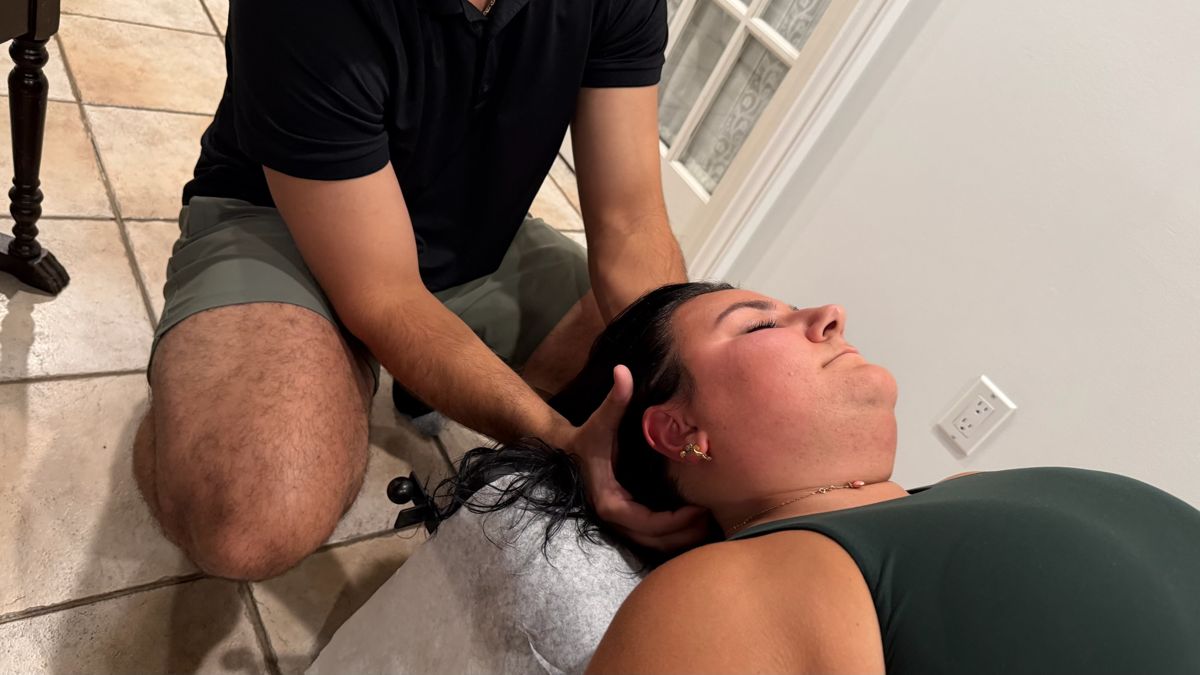
Muscle tension around the neck, shoulders and upper back can contribute to some headache patterns. Dr. Alex may use Muscle Release Therapy (MRT) on areas such as the:
- Suboccipital muscles
- Upper trapezius
- Levator scapulae
- Neck muscles
- Upper back and shoulders
- Base of the skull
If jaw tension seems to be involved, the surrounding muscles may also be assessed and treated where appropriate.
Mobility
Assisted Stretching for Headaches
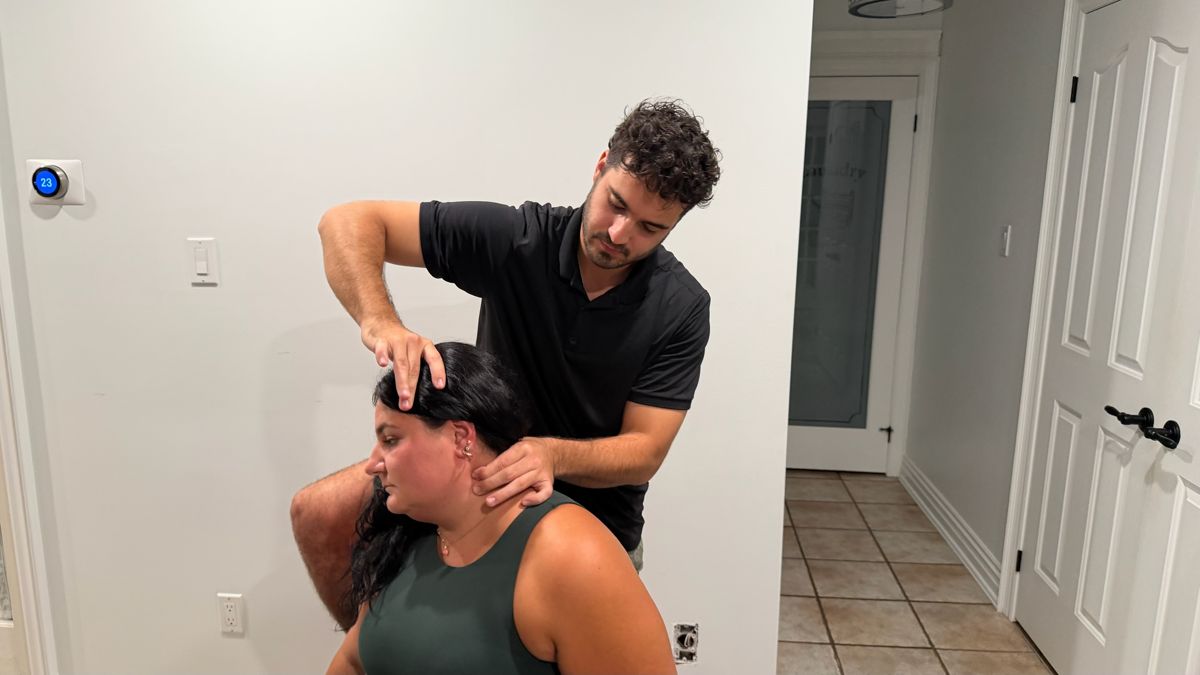
Tight muscles around the neck and upper back can restrict movement and add tension. Assisted stretching helps improve flexibility in the areas contributing to your symptoms, which may include the:
- Neck muscles
- Upper shoulders
- Upper back
- Chest muscles
- Surrounding postural muscles
Between visits
Exercises for Headaches
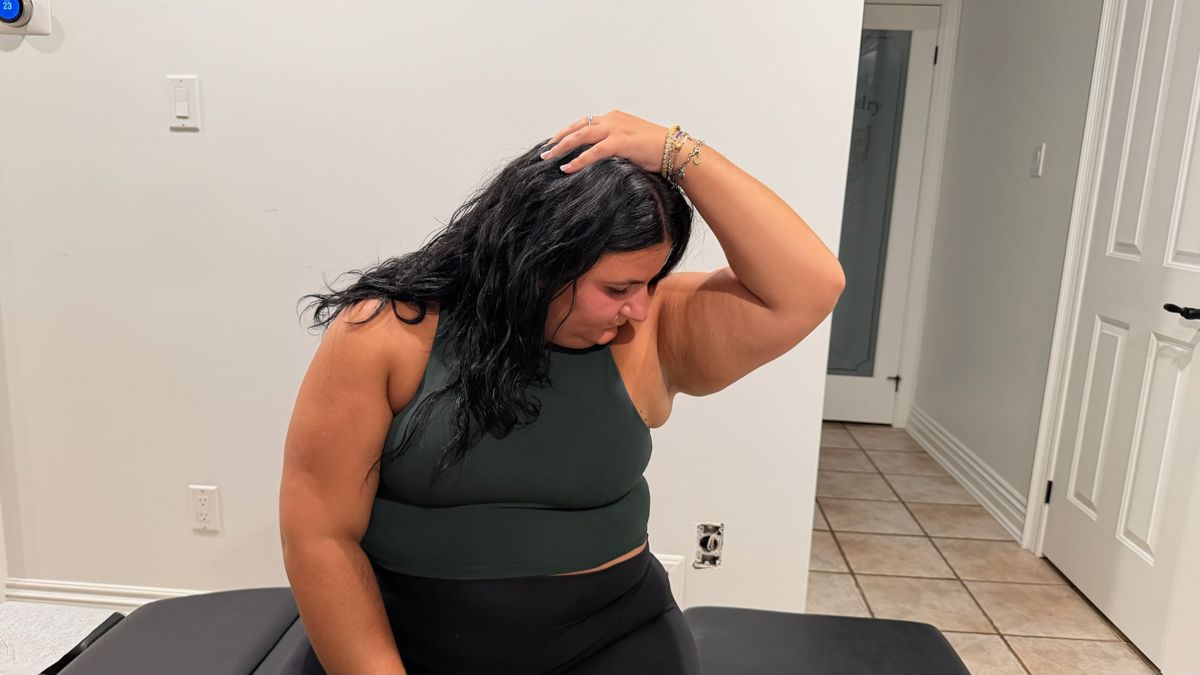
Hands-on treatment is only one part of managing headaches linked to musculoskeletal factors. Where appropriate, Dr. Alex recommends exercises to improve neck mobility, posture, upper-back strength and shoulder stability, specific to your symptoms and goals. They may include:
- Neck mobility exercises
- Postural exercises
- Upper-back mobility
- Deep neck strengthening
- Shoulder-blade strengthening
- Stretching exercises
- Workplace movement strategies
Physiotherapy
Physiotherapy for neck-related and tension-type headaches with Helena
 Helena Greyvenstein · Physiotherapist
Prefer physiotherapy, or want both? Physiotherapy treats neck-related and tension-type headaches without adjustments, using hands-on treatment, exercise and education. After an assessment, treatment may include:
- Hands-on treatment for the neck and upper back, which can help headaches that start in the neck
- Neck strength and posture exercises
- Advice on screens, desk setup, sleep and other everyday triggers
- Acupuncture, which research suggests may help prevent tension-type headaches for some people
- A plan for what to do when a headache starts
You'll finish with a short home program you can actually keep up with. Learn more about in-home physiotherapy in Oakville.
Why mobile
Who home visits help most
When you have a headache, getting in the car, driving across town, finding parking and sitting in a waiting room is the last thing you want to do. With mobile chiropractic care, Dr. Alex comes to you.
Seniors & their families
Care for your parent, without taking time off work
For seniors living at home, getting to a clinic can mean painful car transfers, a ride from family, and a long wait. Treatment at home removes all of that.
- Headaches that make driving uncomfortable
- No driving or car transfers needed
- Treatment in a familiar, comfortable space
- Family members are welcome to be there
Booking for a parent? You can fill out the form on their behalf.
Too sore to travel
When sitting in a car is the last thing you can do
Back spasm, sciatica or a locked-up neck can make the drive to a clinic the most painful part of getting help. So can recovering from a car accident.
- Headaches with a stiff, locked-up neck
- Car accident (MVA) recovery
- Nervous about driving after a collision
- Treated where you're most comfortable
Car accident rehab may be covered through your extended health benefits and your auto insurance accident benefits. Ask and I'll help you sort out what applies.
Busy professionals
Treatment that fits around your day
No commute, no parking, no waiting room. Your visit happens at home, so the time you'd spend travelling stays yours.
- Headaches from desk and screen work
- Ideal if you work from home
- Workstation advice where it's relevant
- A home exercise plan you'll actually do
Appointments are 30 minutes, including setup, with about 20 to 25 minutes of hands-on assessment and treatment.
Service area
Headache chiropractor near you
You don't have to drive to a clinic for an assessment. Dr. Alex brings headache treatment directly to your home.
Oakville
If your headaches seem linked to neck tension, upper-back stiffness, posture, computer work or other musculoskeletal factors, a home assessment may be appropriate.
Book in Oakville
Burlington
A convenient alternative to travelling to a traditional clinic, with home visits throughout Burlington.
Book in Burlington
Milton
Headache assessment and treatment at home, without travelling to a clinic.
Book in Milton
Safety first
When should you see a doctor about a headache?
Most headaches aren't caused by a serious medical condition, but some symptoms need prompt medical attention. A chiropractor is not a substitute for medical assessment when a headache may have a serious cause.
Seek urgent medical assessment if your headache is:
- Sudden and extremely severe
- The worst headache you've ever had
- With significant weakness or numbness
- With difficulty speaking
- With confusion or loss of consciousness
- With significant vision changes
- With other sudden neurological symptoms
- After a significant head injury
- Very different from your usual pattern
If your symptoms suggest further investigation is needed, Dr. Alex can recommend the appropriate next step.
More care at home
Other ways we can help
Headache treatment is part of our in-home chiropractic care. For tension-type headaches, some people also try acupuncture with physiotherapist Helena Greyvenstein.
Common questions
Headache questions
Physio or chiroShould I see a physiotherapist or a chiropractor for neck-related and tension-type headaches?
Both treat neck-related and tension-type headaches. Chiropractic care with Dr. Alex can include adjustments, while physiotherapy with Helena focuses on hands-on treatment and exercise without adjustments. Some people do well with one, some with both, and because we're a family-run practice, your care stays coordinated. If you're not sure where to start, ask on the 15-minute phone call.
TreatmentCan a chiropractor help with headaches?
Chiropractic care may be appropriate for certain headaches, especially when musculoskeletal factors like neck stiffness, restricted movement, muscle tension or posture are contributing. An assessment is important to determine whether it's right for your specific headache pattern.
Tension headachesCan a chiropractor help with tension headaches?
If your tension headaches are linked to neck or upper-back muscle tension, restricted movement or posture, chiropractic treatment may be appropriate. Treatment may include adjustments, mobilizations, soft tissue therapy, stretching and exercises.
MigrainesCan a chiropractor help with migraines?
Migraines have many causes and triggers, and chiropractic treatment isn't appropriate for every migraine sufferer. If you get migraines, Dr. Alex can assess whether musculoskeletal factors in your neck, upper back or surrounding muscles may also be contributing.
Home visitsCan I see a chiropractor at home for headaches?
Yes. Dr. Alex provides mobile chiropractic home visits for headaches throughout Oakville, Burlington and Milton.
PostureCan poor posture cause headaches?
Poor posture can increase strain and tension around the neck, shoulders and upper back, which may contribute to certain headache patterns. An assessment can show whether posture and musculoskeletal factors are involved.
Desk workCan working at a computer cause headaches?
Hours at a computer place real demands on the neck, shoulders and upper back. You may notice headaches start or get worse after several hours at your desk. Common contributors:
- Looking down at a laptop
- Working from a couch
- A monitor that's too low
- Prolonged sitting
- Forward head posture
- Little movement during the day
Because the visit is at your home, your workstation can be looked at too, with practical advice on movement, posture and setup.
NeckCan neck pain cause headaches?
Certain headaches are linked to structures in the neck. You may notice your headaches come with:
- Neck stiffness
- Upper shoulder tension
- Pain at the base of the skull
- Restricted neck movement
- Headaches after computer use
- Headaches that change with neck movement
If so, treatment may focus on improving neck and upper-back movement and easing muscle tension.
JawCan jaw tension cause headaches?
Jaw tension and clenching can contribute to discomfort around the jaw, face, temples and surrounding muscles. If you clench, grind your teeth, or have jaw tension alongside your headaches, it's an important part of your assessment. Dr. Alex can assess the surrounding neck, shoulder and muscle structures.
Persistent jaw pain, clicking, locking or other TMJ symptoms may need assessment by a dentist or other appropriate professional.
SafetyIs chiropractic treatment safe for headaches?
Chiropractic treatment isn't appropriate for every headache or every patient. Your assessment determines whether it's suitable and which techniques fit. If your symptoms suggest something that needs medical investigation or another type of care, you'll be referred to the appropriate professional.
VisitsHow often should I see a chiropractor for headaches?
It depends on your symptoms, headache pattern, contributing factors, goals and how you respond to treatment. There's no one-size-fits-all schedule. Your plan is based on your assessment and progress.
RecoveryHow long does it take for headaches to improve?
There's no single timeline. How often and how badly headaches occur can depend on:
- The type of headache
- How long you've had symptoms
- Work and lifestyle
- Sleep and stress
- Physical activity and posture
- Your response to treatment
If musculoskeletal factors are involved, addressing them can be part of your plan, adjusted as you progress.