Low Back Pain Treatment at Home in Oakville, Burlington & Milton
Reviewed by Dr. Alex Greyvenstein, DC · September 17, 2026
When your low back is sore, everything gets harder. Getting out of bed, putting on your socks, sitting through a meeting, lifting your kids, even getting in and out of the car.
That last one is exactly why home visits make sense. Instead of driving to a clinic while your back is locked up, Dr. Alex comes to you, figures out what's driving your pain, and treats it in your own home.
Choose chiropractic care with Dr. Alex Greyvenstein, DC, or physiotherapy with Helena Greyvenstein, Physiotherapist, or both.
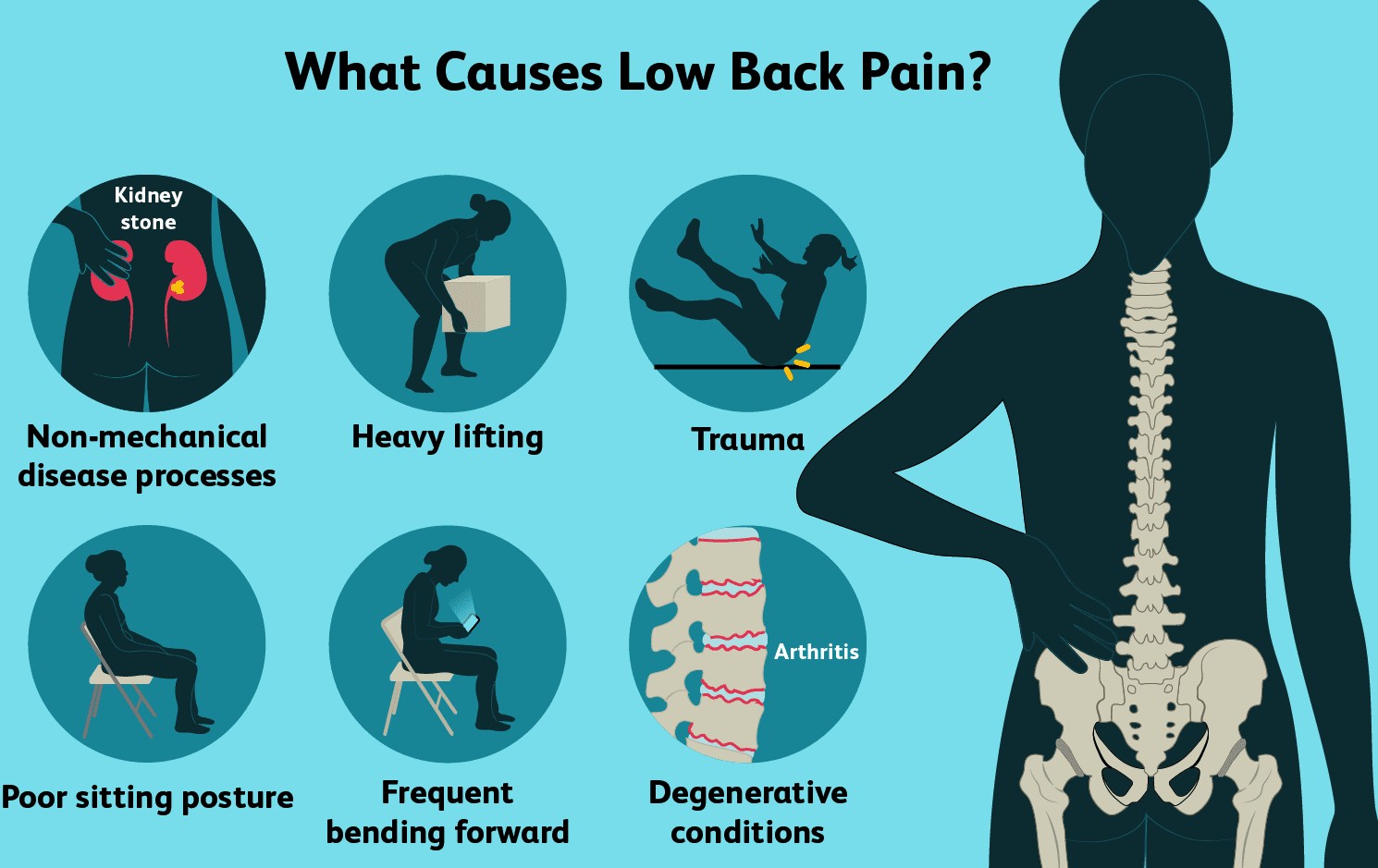
Low back pain starts in different ways. Some people feel it suddenly after lifting, twisting, exercising or trying something new. Others notice it building gradually after long days of sitting, repetitive work, or a change in their usual routine.
It can involve the muscles, joints, discs, ligaments or nerves around the lower back and pelvis. Common contributing factors include:
Lifting or moving something heavy
Repetitive movements
Prolonged sitting
Working at a computer
A poor workstation setup
Sudden changes in activity
Exercise or sports
Muscle tension
Restricted movement
Reduced physical conditioning
Previous episodes of back pain
Poor sleeping position
Long periods without moving
Usually there's more than one thing going on. An assessment helps sort out which movements, muscles and joints are involved, and whether chiropractic treatment is the right fit.
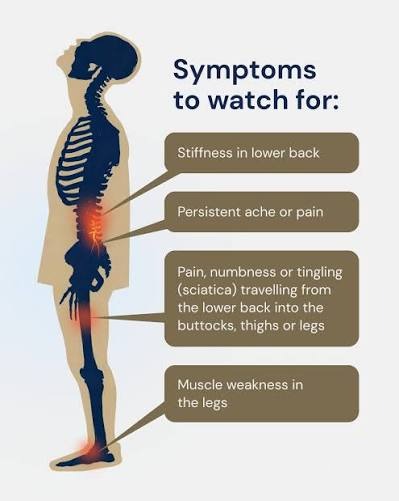
Back pain feels different from person to person. You might notice:
A dull ache across the low back
Sharp pain with certain movements
Stiffness first thing in the morning
Pain when bending or lifting
Pain after sitting for a while
Trouble standing up straight
Muscle spasms
Pain on one side of the back
Pain into the buttock or hip
Pain travelling down the leg
Discomfort getting in or out of the car
Trouble getting comfortable at night
Where the pain sits, what makes it worse and what eases it all give useful clues about what's going on.
Types
Common types of low back pain
Low back pain isn't one condition. These are some of the patterns Dr. Alex sees most often.
Muscle strain and spasm
Often comes on after lifting, a sudden twist or an unusual day of activity. The muscles tighten up to protect the area, and moving can feel almost impossible for the first few days. It's painful, but it often settles well with the right care.
Joint-related pain
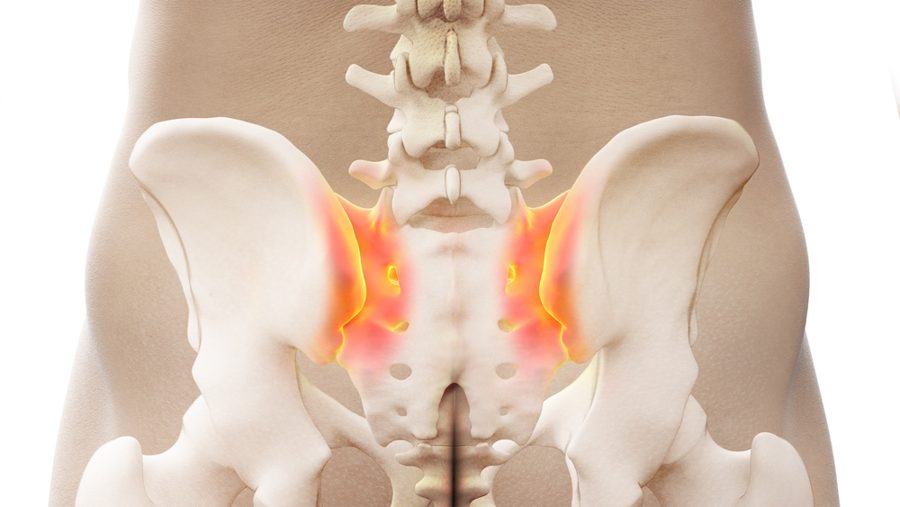
The small joints of the spine and the sacroiliac (SI) joints where your back meets your pelvis can become stiff and irritated. This often feels like a deep ache on one side that's worse with certain positions, like standing up from sitting or rolling over in bed.
Disc-related pain and sciatica
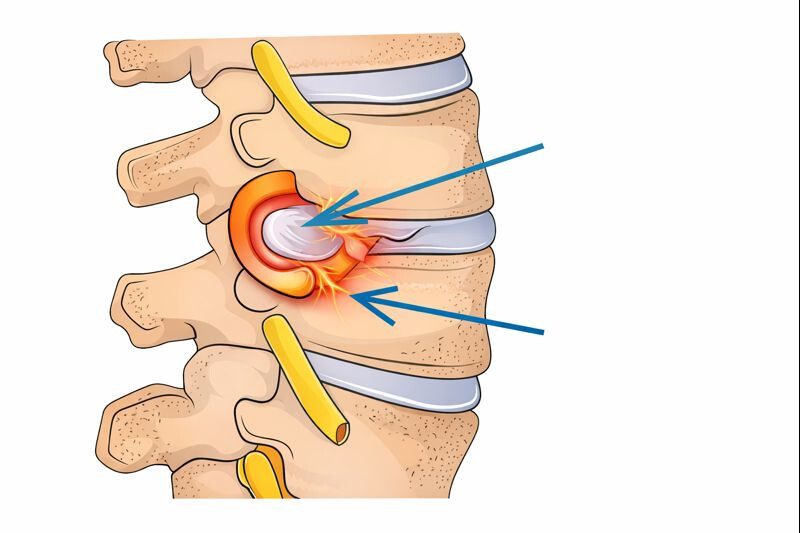
When a disc or nearby nerve is irritated, pain can travel into the buttock and down the leg, sometimes with tingling. Sitting and bending often make it worse. An assessment checks your strength, reflexes and sensation to guide treatment safely. Learn more about sciatica.
Treatment
How Dr. Alex treats low back pain at home
Every visit starts with a conversation about how your pain began and how it's affecting your day, followed by an assessment of how your back, hips and pelvis move. Treatment is then built around what's actually going on, and may include some of the following.
Joint
Chiropractic Adjustments for Low Back Pain
When restricted movement in the low back or pelvis is contributing to your pain, a chiropractic adjustment may help restore more normal movement. This may involve the lumbar spine, the SI joints or the mid-back, depending on what your assessment shows.
Adjustments aren't right for every patient or every type of back pain. Your assessment decides whether they're a good fit for you.
Joint
Joint Mobilization for Low Back Pain
Mobilizations use gentle, repeated movements to ease stiffness in the low back and pelvis without a quick thrust. They're a good option if you're in a lot of pain, prefer a gentler approach, or when a joint needs to be worked through its range gradually.
Muscle
Soft Tissue Therapy for Low Back Pain
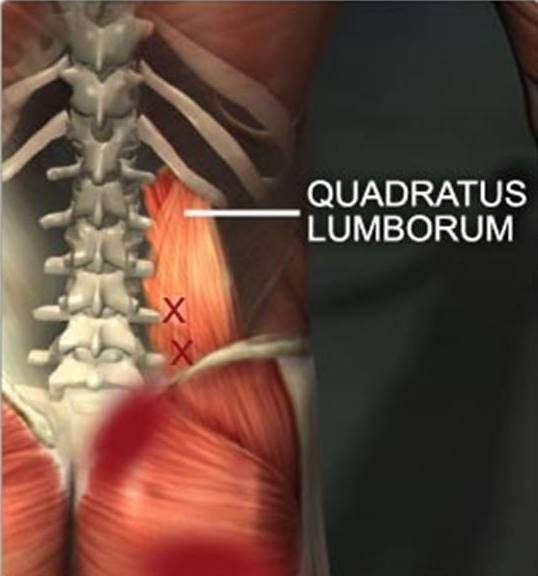
Tight, guarded muscles often play a big role in back pain. Dr. Alex may use Muscle Release Therapy (MRT) on the muscles around the low back, hips and pelvis, which may include the:
Low back muscles
Quadratus lumborum
Glutes
Hip flexors
Piriformis
Hamstrings
Mobility
Assisted Stretching for Low Back Pain
Tight hips and hamstrings can pull on the low back and make it harder to move comfortably. Assisted stretching gently improves flexibility in those areas while you stay relaxed, without pushing into painful ranges during a flare-up.
Between visits
Exercises for Low Back Pain
Hands-on care helps you move better, and exercise helps you stay that way. Your program starts where you are, gentle movement during a flare-up and more strength work as you improve, and may include:
Prefer physiotherapy, or want both? Physiotherapy treats low back pain without adjustments, using hands-on treatment, exercise and education. After an assessment, treatment may include:
Guidance on staying active, which current guidelines recommend for most low back pain
Exercise therapy matched to your back, your work and your goals
Hands-on treatment as part of an active plan
Acupuncture for long-lasting low back pain, where it's a good fit
Lifting and movement advice for work, chores and sport
With a sore back, the drive to a clinic can be the worst part of getting help. With mobile chiropractic care, Dr. Alex comes to you.
Seniors & their families
Care for your parent, without taking time off work
For seniors living at home, getting to a clinic can mean painful car transfers, a ride from family, and a long wait. Treatment at home removes all of that.
Back stiffness that makes getting around harder
No driving or car transfers needed
Treatment in a familiar, comfortable space
Family members are welcome to be there
Booking for a parent? You can fill out the form on their behalf.
Too sore to travel
When sitting in a car is the last thing you can do
Back spasm, sciatica or a locked-up neck can make the drive to a clinic the most painful part of getting help. So can recovering from a car accident.
A back that has gone into spasm
Car accident (MVA) recovery
Nervous about driving after a collision
Treated where you're most comfortable
Car accident rehab may be covered through your extended health benefits and your auto insurance accident benefits. Ask and I'll help you sort out what applies.
Busy professionals
Treatment that fits around your day
No commute, no parking, no waiting room. Your visit happens at home, so the time you'd spend travelling stays yours.
Desk-related low back pain
Ideal if you work from home
Workstation advice where it's relevant
A home exercise plan you'll actually do
Appointments are 30 minutes, including setup, with about 20 to 25 minutes of hands-on assessment and treatment.
Service area
Low back pain chiropractor near you
Dr. Alex brings low back pain assessment and treatment directly to your home.
Oakville
Back pain assessment and treatment in your own home, without the drive to a clinic.
Should I see a physiotherapist or a chiropractor for low back pain?
Both treat low back pain. Chiropractic care with Dr. Alex can include adjustments, while physiotherapy with Helena focuses on hands-on treatment and exercise without adjustments. Some people do well with one, some with both, and because we're a family-run practice, your care stays coordinated. If you're not sure where to start, ask on the 15-minute phone call.
Chiropractic
Can a chiropractor help with low back pain?
For many people, yes. When low back pain comes from stiff joints, tight muscles or how you move, hands-on treatment and exercise can help. Your assessment shows whether chiropractic care is a good fit, or whether you should see someone else first.
Home visits
Can I see a chiropractor at home for back pain?
Yes. Dr. Alex provides mobile chiropractic visits for low back pain throughout Oakville, Burlington and Milton. It's especially helpful when sitting in a car is painful.
Rest or move
Should I rest or keep moving with back pain?
For most back pain, gentle movement helps more than bed rest. Short walks and changing positions often ease stiffness, while lying down all day can make it worse. Avoid whatever clearly flares it up, and your treatment plan will guide what's safe to do.
Heat or ice
Should I use heat or ice on my low back?
Either can help with pain, so use whichever feels better. Many people find heat relaxes tight back muscles, especially when the pain has been there a few days. Keep sessions to about 15 to 20 minutes and protect your skin.
Sciatica
What's the difference between back pain and sciatica?
Back pain is felt mostly in the low back. Sciatica is when an irritated nerve sends pain into the buttock and down the leg, sometimes with tingling or numbness. They often happen together, and your assessment helps tell them apart.
Sitting
Why does my back hurt more when I sit?
Sitting for a long time keeps your back and hips in one position and can load certain structures, especially if your chair or desk isn't set up well. Regular movement breaks and a better setup often help. Because visits are at your home, Dr. Alex can look at your actual workspace.
Imaging
Do I need an X-ray or MRI for back pain?
Usually not. Most low back pain improves without imaging. It may be needed after significant trauma, with worsening nerve symptoms, or when something more serious is suspected. If your assessment points that way, Dr. Alex will refer you.
Recovery
How long does low back pain take to get better?
It depends. A recent strain often improves within a few weeks, while back pain that has been coming and going for months usually takes longer. Staying active, following your exercises and changing what aggravates it all make a difference. Your plan is adjusted as you improve.
Whether your back went out yesterday or it's been nagging for months, Dr. Alex will assess it at home and build a plan to get you moving comfortably again.