Causes
What causes jaw pain?
Your temporomandibular joint (TMJ) sits just in front of each ear and connects your lower jaw to your skull. It's one of the busiest joints in the body. You use it hundreds of times a day without thinking about it, which is exactly why it gets irritated so easily.
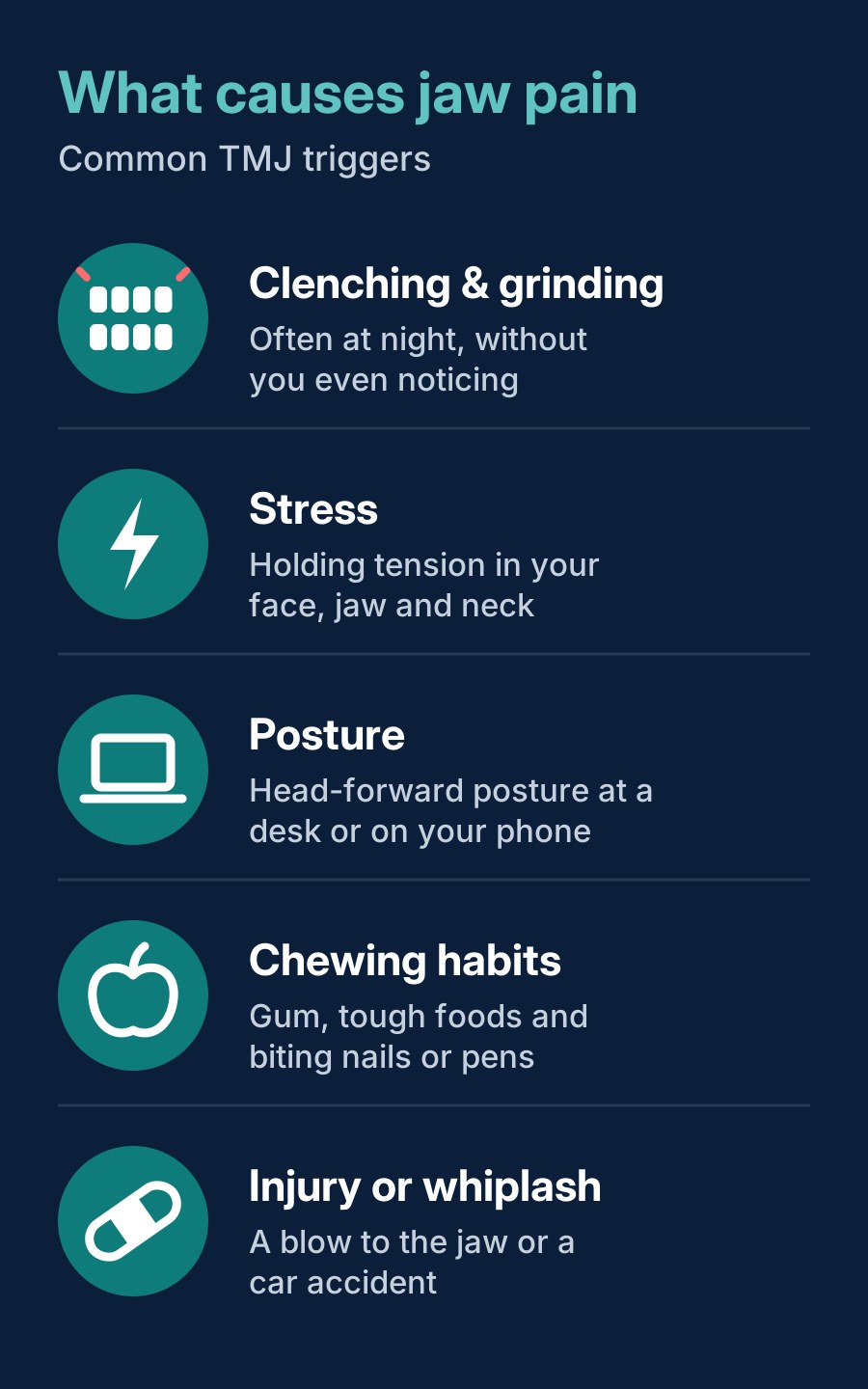
When the joint or the muscles that move it become painful, it's often called a TMJ disorder, or TMD. It rarely comes from one single cause. Common contributing factors include:
Usually it's a mix. Someone might clench at night when they're stressed, sit at a laptop all day with their head pushed forward, and chew gum to stay focused. None of those alone is a problem, but together they add up.
Symptoms
Common symptoms of jaw pain
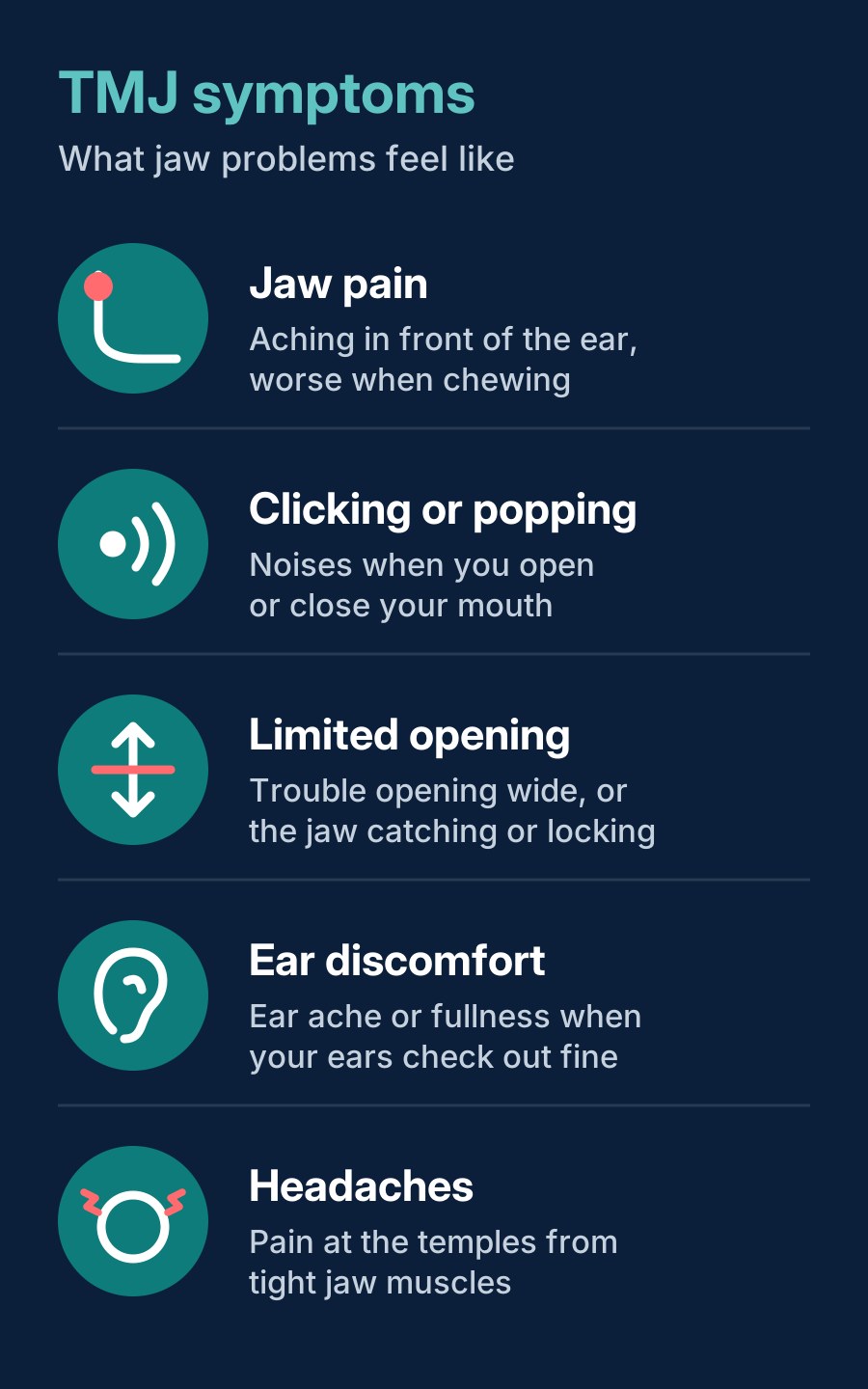
Jaw problems don't always feel like they're in the jaw. You might notice:
A click on its own, with no pain and normal opening, is common and usually nothing to worry about. It's when clicking comes with pain, catching or reduced movement that it's worth having it looked at.
Treatment
How Dr. Alex treats jaw pain at home
Your visit starts with a conversation about when the pain started, what makes it worse and what your days look like. Then Dr. Alex checks how your jaw opens and moves, which muscles are tender, and how your neck and posture may be involved. From there, treatment is built around what's actually driving your symptoms. It may include some of the following.
Muscle
Soft Tissue Therapy for Jaw Pain
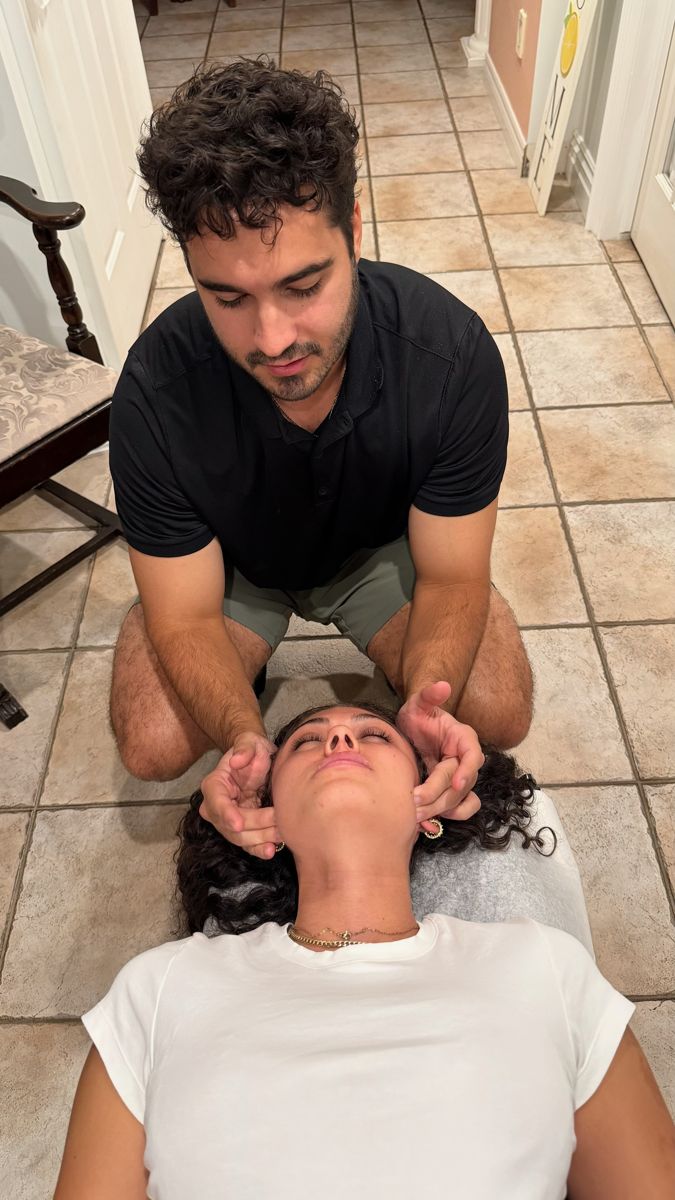
Most jaw pain involves overworked muscles. Dr. Alex may use Muscle Release Therapy (MRT) on the muscles that close and move the jaw, along with the muscles of the neck that so often tighten up with it. Areas may include the:
- Masseter (cheek)
- Temporalis (temple)
- Muscles under the jaw
- Suboccipitals
- Upper trapezius
- Front of the neck
Joint
Jaw Mobilization for Jaw Pain
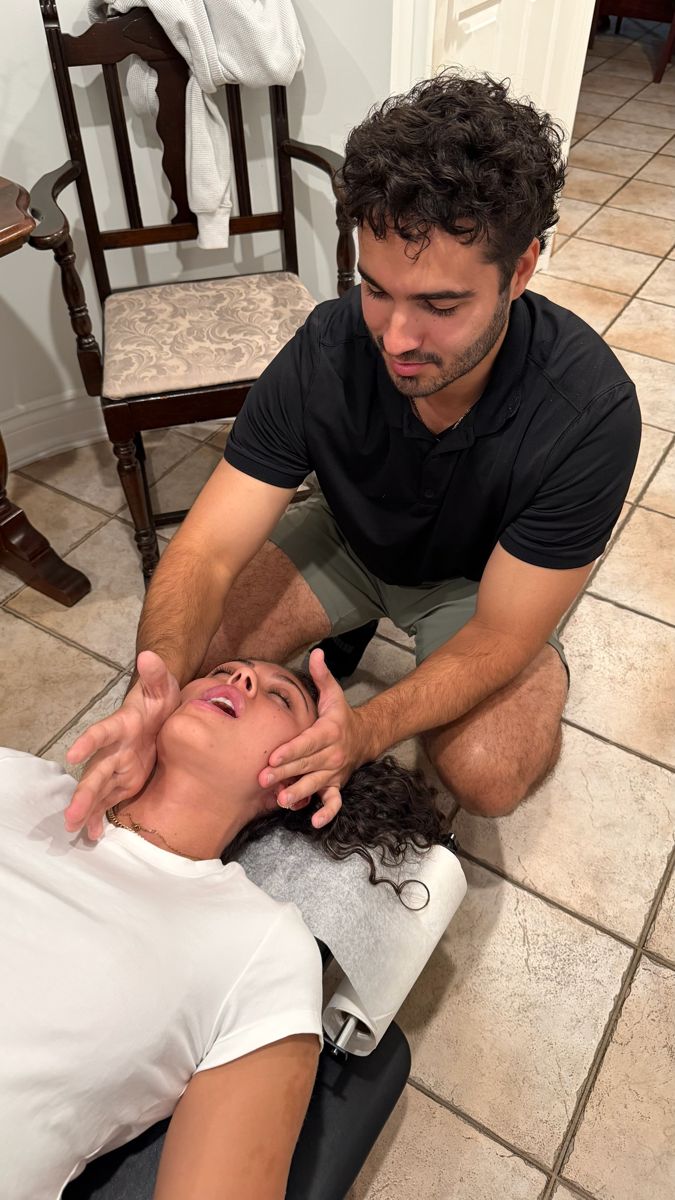
When the jaw feels stiff or doesn't open as far as it should, gentle, controlled movements of the joint itself can help it move more freely. This is slow, careful work, nothing forceful, and it's always guided by how your jaw responds.
Joint
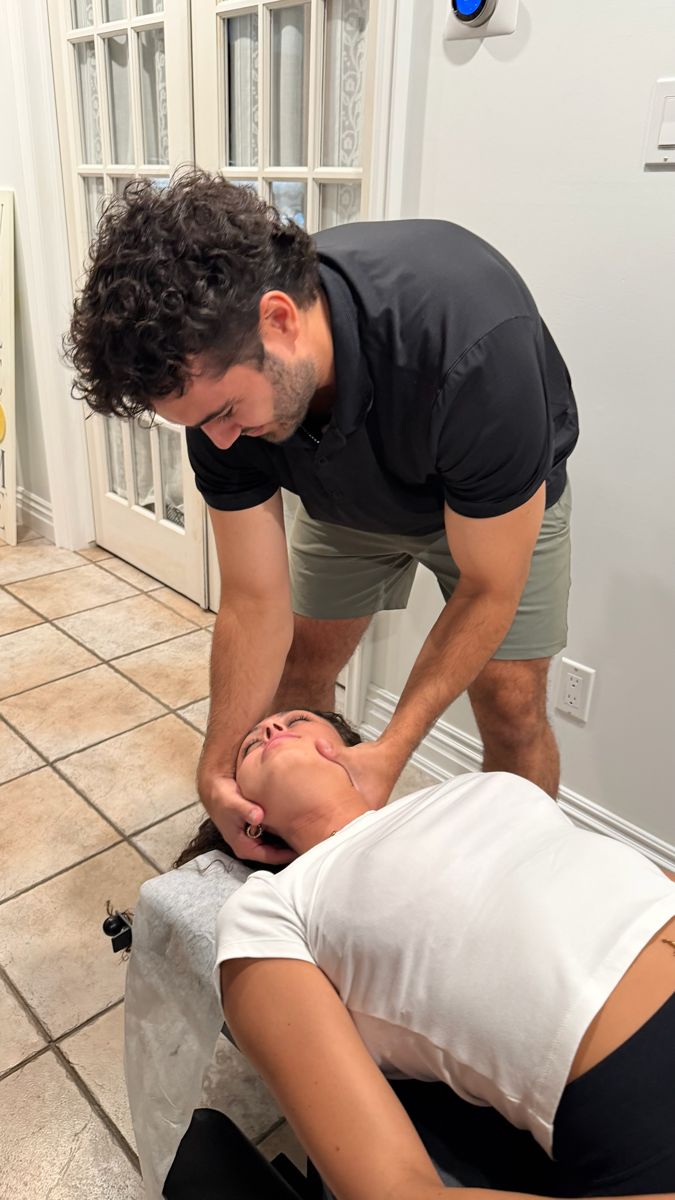
Neck Adjustments for Jaw Pain
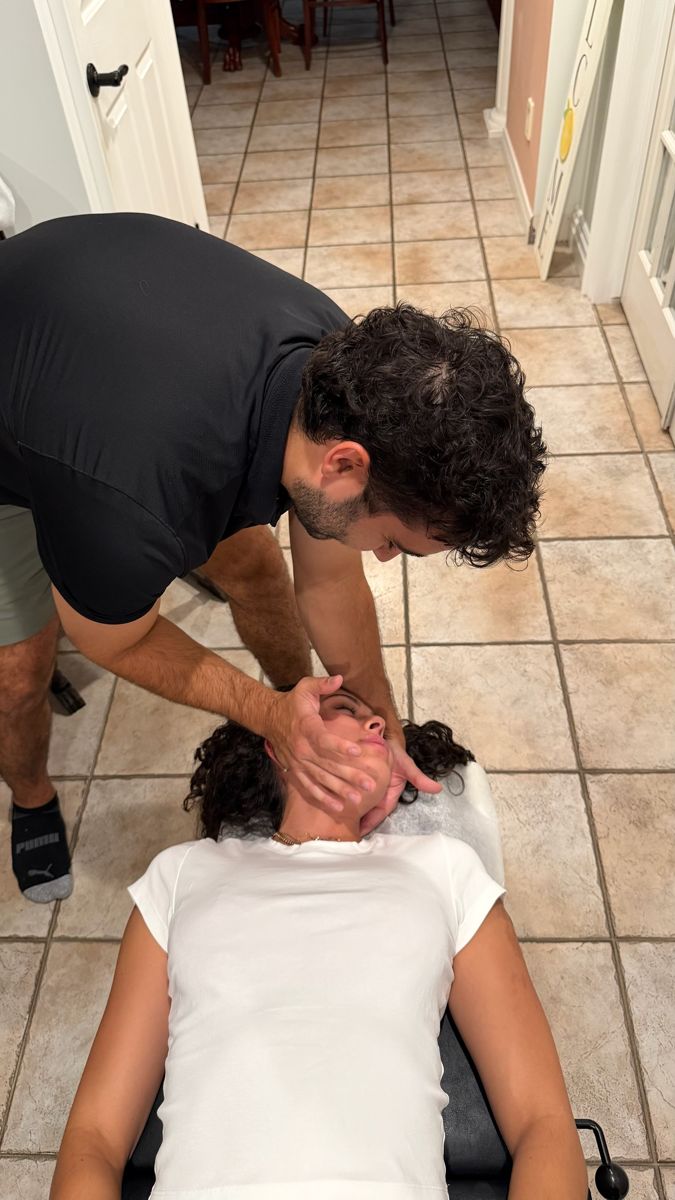
The jaw and the upper neck share nerves and muscles, and they influence each other more than most people realise. If your assessment shows stiffness in the neck or upper back, adjustments or mobilizations in those areas may be part of your care. The goal isn't to treat the neck instead of the jaw, but to make sure it isn't adding to the problem.
Between visits
Exercises for Jaw Pain
Exercises help your jaw move smoothly and give the muscles a break from constant tension. Your program will be simple and specific to you, and may include:
- Controlled opening and closing
- Resting tongue position
- Gentle jaw stretches
- Neck and posture exercises
- Relaxation and breathing drills
Physiotherapy
Physiotherapy for jaw pain and TMJ problems with Helena
 Helena Greyvenstein · Physiotherapist
Prefer physiotherapy, or want both? Physiotherapy treats jaw pain and TMJ problems without adjustments, using hands-on treatment, exercise and education. After an assessment, treatment may include:
- Gentle hands-on work for the jaw muscles and joint
- Jaw exercises to improve control and comfortable opening
- Neck and posture work, since the neck and jaw often tighten up together
- Advice on clenching, chewing habits and a relaxed resting jaw position
- Working alongside your dentist when a night guard or dental care is part of the picture
You'll finish with a short home program you can actually keep up with. Learn more about in-home physiotherapy in Oakville.
Day to day
Everyday habits that help your jaw
Treatment works best when your jaw isn't being overloaded the rest of the day. Small changes make a real difference:
Lips together, teeth apart
At rest, your teeth shouldn't be touching. Check in a few times a day. Most people are surprised how often they're clenching.
Go easy on chewing
Take a break from gum, very chewy foods and big bites while your jaw settles down.
Watch your screen posture
Bringing your screen up to eye level takes strain off the neck, which takes strain off the jaw.
Sleep on your back or side
Stomach sleeping with your head turned presses on one side of your jaw and twists your neck for hours. Your back or side, with a supportive pillow, is easier on both.
Because visits happen in your home, Dr. Alex can look at your actual desk, chair and screen and suggest changes that fit your space.
Why mobile
Who home visits help most
When your jaw is sore, the last thing you want is a drive across town and a busy waiting room. With mobile chiropractic care, Dr. Alex comes to you.
Seniors & their families
Care for your parent, without taking time off work
For seniors living at home, getting to a clinic can mean painful car transfers, a ride from family, and a long wait. Treatment at home removes all of that.
- Jaw pain that makes eating and talking tiring
- No driving or car transfers needed
- Treatment in a familiar, comfortable space
- Family members are welcome to be there
Booking for a parent? You can fill out the form on their behalf.
Too sore to travel
When sitting in a car is the last thing you can do
Back spasm, sciatica or a locked-up neck can make the drive to a clinic the most painful part of getting help. So can recovering from a car accident.
- Jaw and neck pain after a car accident
- Car accident (MVA) recovery
- Nervous about driving after a collision
- Treated where you're most comfortable
Car accident rehab may be covered through your extended health benefits and your auto insurance accident benefits. Ask and I'll help you sort out what applies.
Busy professionals
Treatment that fits around your day
No commute, no parking, no waiting room. Your visit happens at home, so the time you'd spend travelling stays yours.
- Jaw tension from stress and long workdays
- Ideal if you work from home
- Workstation advice where it's relevant
- A home exercise plan you'll actually do
Appointments are 30 minutes, including setup, with about 20 to 25 minutes of hands-on assessment and treatment.
Service area
Jaw pain chiropractor near you
Dr. Alex brings jaw pain assessment and treatment directly to your home.
Oakville
Jaw and TMJ care in your own home, without the drive to a clinic.
Book in Oakville
Burlington
A convenient alternative to travelling to a traditional clinic, with home visits throughout Burlington.
Book in Burlington
Milton
Jaw pain assessment and treatment at home, without travelling to a clinic.
Book in Milton
Safety first
When to see a doctor or dentist
Most jaw pain is muscular or joint-related, but some symptoms need a different kind of care first.
Call 911 if jaw pain comes with:
- Chest pain, pressure or tightness
- Shortness of breath
- Pain spreading to your arm or back
- Sweating, nausea or light-headedness
Get prompt medical or dental care if you have:
- A jaw that's locked and won't open or close
- Jaw pain after a significant injury
- Swelling, fever or a bad taste in your mouth
- A painful tooth or sensitive gums
- Numbness in your face or lip
- Pain that keeps getting worse
Dr. Alex works alongside dentists when needed. If a night guard, dental work or another opinion would help, he'll tell you and point you in the right direction.
Common questions
Jaw pain questions
Physio or chiroShould I see a physiotherapist or a chiropractor for jaw pain and TMJ problems?
Both treat jaw pain and TMJ problems. Chiropractic care with Dr. Alex can include adjustments, while physiotherapy with Helena focuses on hands-on treatment and exercise without adjustments. Some people do well with one, some with both, and because we're a family-run practice, your care stays coordinated. If you're not sure where to start, ask on the 15-minute phone call.
ChiropracticCan a chiropractor help with jaw pain?
Yes, in many cases. When jaw pain comes from tight, overworked muscles, a stiff joint, or tension in the neck, hands-on treatment and exercises can help. Your assessment will show whether chiropractic care is a good fit, or whether a dentist or doctor should see you first.
TMJ vs TMDIs TMJ the same thing as TMD?
Not quite, although people use them interchangeably. TMJ is the name of the joint itself, the temporomandibular joint. TMD, or TMJ disorder, describes pain or problems with that joint and the muscles around it. So when someone says "I have TMJ", they usually mean TMD.
ClickingWhy does my jaw click or pop?
Clicking usually comes from the small disc inside the joint moving a little out of sync as you open and close. It's very common, and on its own, without pain or locking, it often isn't a problem. If the click comes with pain, catching, or you can't open as wide as usual, it's worth getting assessed.
Dentist or chiroShould I see a dentist or a chiropractor for jaw pain?
It depends on what's going on. Tooth pain, gum problems, or a bite that changed after dental work belong with your dentist. Muscle tension, stiffness, clicking with pain, and jaw pain that comes with neck tension or headaches are things a chiropractor can assess and treat. Often the best results come from both working together, for example a night guard from your dentist alongside treatment for the muscles and neck.
HeadachesCan jaw pain cause headaches or ear pain?
It can. The temporalis muscle runs up the side of your head, so a tight jaw often shows up as headaches at the temples. And because the joint sits right in front of the ear, jaw problems are a common cause of ear aching or fullness when the ear itself checks out fine. If you also get headaches, our headache treatment page has more.
StressCan stress cause jaw pain?
Very often. Many people clench their teeth when they're stressed or concentrating, and most don't realise they're doing it, especially at night. Over time that constant load tires out the jaw muscles and irritates the joint. Part of your plan may include simple ways to notice and let go of that tension.
Night guardDo I need a night guard?
Not everyone does. If you grind or clench heavily at night, a custom guard from your dentist can protect your teeth and take some load off the joint. A guard protects, but it doesn't loosen tight muscles or fix a stiff neck, so it often works best combined with treatment and exercises.
RecoveryHow long does jaw pain take to improve?
It varies. A recent flare-up from a stressful week or a long dental visit may settle fairly quickly. Jaw pain that's been around for months, or that's tied to nightly grinding, usually takes longer and depends on how much the everyday habits change too. Your plan is adjusted based on how your jaw responds.