
Ankle pumps
- Lie or sit with your legs straight.
- Point your feet down, then pull them up toward you.
Tip: Helps circulation in the early days.
Home exercises · Physiotherapy

 Helena Greyvenstein, Physiotherapist · Dr. Alex Greyvenstein, DC
Knee replacement exercises usually start early, often while you're still in hospital. The ones below are common for the first weeks at home. Your surgeon and hospital team decide what's right for you and when, so use this page alongside your discharge instructions, not instead of them.
Helena and Dr. Alex chose these for people they see at home in Oakville, Burlington and Milton. They're general guidance, not a substitute for an assessment.
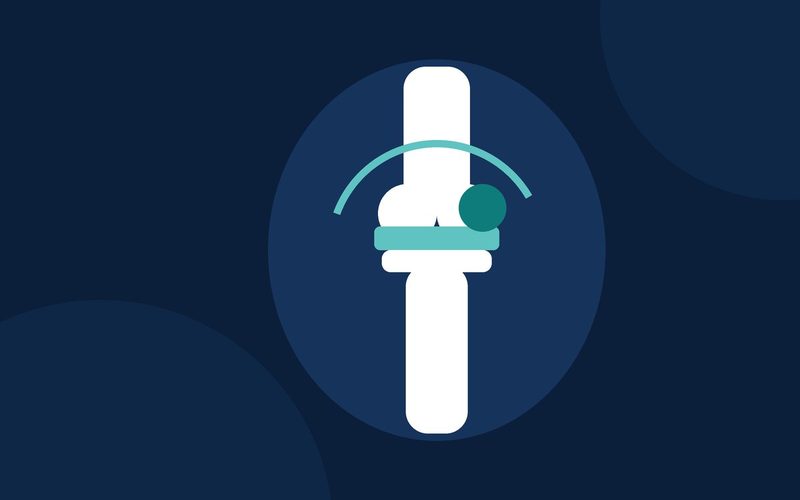
Safety first
Keep your discharge sheet beside you and skip anything it doesn't list unless your physio adds it.
Move slowly and stay in a comfortable range. Mild stretching, tiredness or soreness that settles within a day is normal. Sharp pain, or symptoms that spread or get worse, mean stop.
The routine
Tip: Helps circulation in the early days.
Tip: Aim to get the knee as straight as you can.
Tip: Bend only as far as your plan allows.
Tip: Keep the knee locked straight.
Tip: Gentle pressure only.
Tip: Getting the knee fully straight matters as much as bending.
Avoid: Don't rest with a pillow under your knee. It can let the knee stiffen in a bent position.
Progress
After surgery, progress only as your surgeon or physiotherapist directs. Little and often usually beats pushing hard. Spread the sessions through the day rather than doing everything at once.
If an exercise causes a big jump in pain or swelling, stop it and check with your surgical team or physiotherapist.
Next step
If you're struggling to meet the goals your surgical team set, or getting to outpatient physio is hard after discharge, physio at home can help you follow your surgeon's protocol safely. Read more about our knee replacement rehab at home, or see in-home physiotherapy in Oakville.
Common questions
Usually very soon, often in hospital the day of surgery or the next day. Follow your surgeon's instructions on timing.
Teams often aim for a fully straight knee and around 90 degrees of bend in the first few weeks, working toward roughly 110 to 120 degrees over the following months. Everyone is different, so your surgeon and physiotherapist set your targets.
Some discomfort is expected early on. Severe, sudden or worsening pain, or new swelling, should be checked by your surgeon.
Usually for months. Many people keep improving for a year or more.
Get started
Helena can come to you after discharge, check your bending and straightening, and keep you on track with your surgeon's plan.